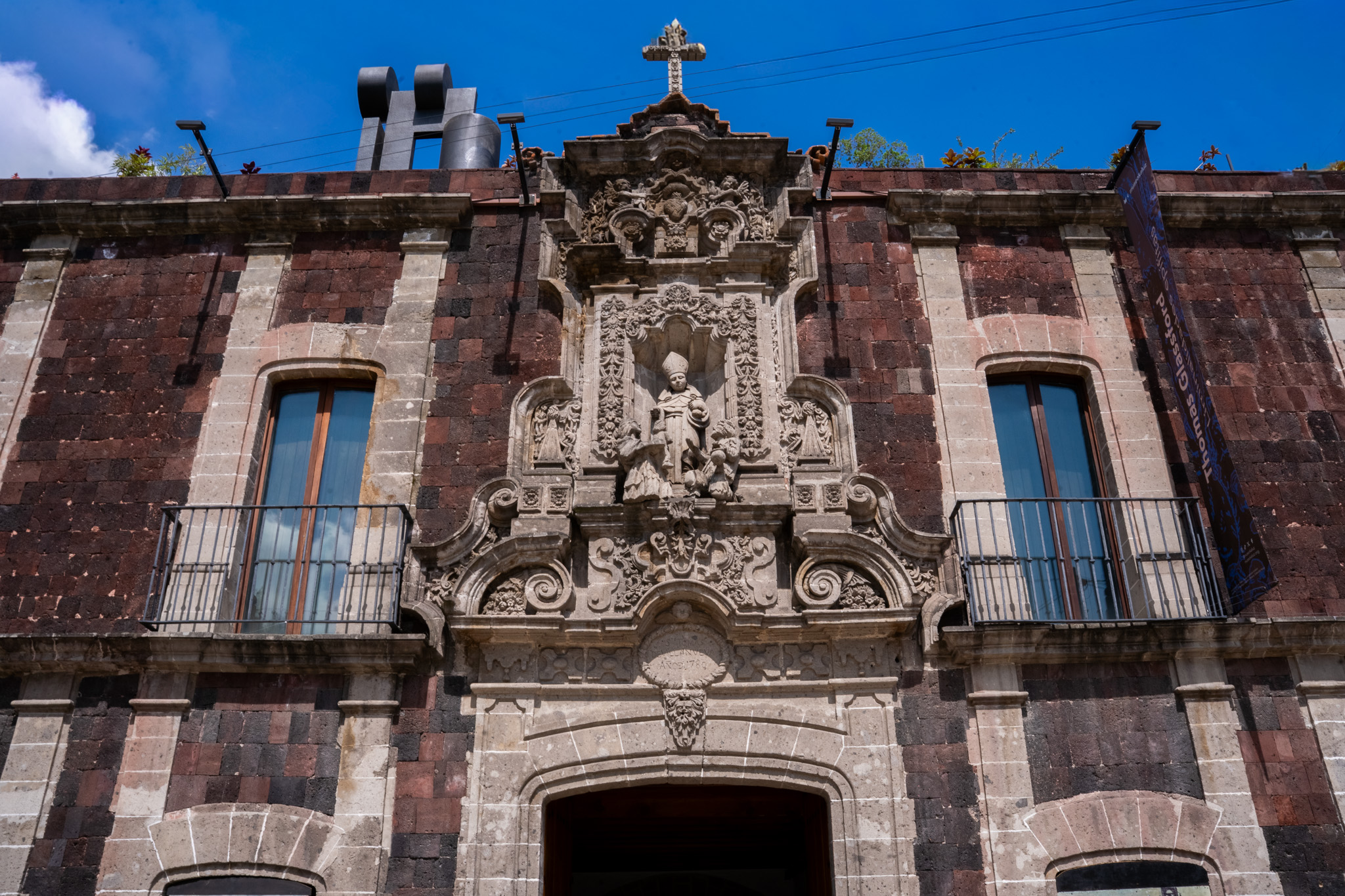
Mexico City has the second largest museum network in the world and will present a "World Cup Cultural Corridor" for art and football lovers; it is an aesthetic and reflective program that explores football from trenches as diverse as pre-Hispanic archaeology, sustainable fashion, contemporary art, biomechanics, and industrial design. Through these 24 venues and open galleries, the capital proves that sports and culture share the same passion.
1. Fútbol: Diseñando una pasión | Museo Franz Mayer (March 25 to August 16, 2026). The leading venue for design and decorative arts in Mexico presents a monumental exhibition curated by expert Kevin Moore. The exhibition gathers more than 250 historical pieces in collaboration with the National Football Museum in England. It breaks down how design has forged the identity and collective memory of the World Cups. The visitor will be able to admire the graphic evolution of posters and tickets since Uruguay 1930, scale models of the avant-garde architecture of modern stadiums, and the engineering behind the ball. The crown jewel is the exhibition of original boots and uniforms worn on the pitch by Pelé, Maradona, Hugo Sánchez, Messi, and Cristiano Ronaldo.
2. Juego Limpio: La cancha que nos une | Museo de Memoria y Tolerancia (March 25 to October 24, 2026). Exhibition that intertwines sports with human rights. Composed of 8 immersive rooms and more than 120 testimonies in video and virtual reality, the exhibition addresses football as a tool for social cohesion and peace. It narrates documented stories of how football has managed to stop civil wars (as in Ivory Coast), promoted the inclusion of refugees, and actively combated racism and homophobia. At the same time, it raises awareness about the ethical challenges of the industry, such as labor exploitation and human trafficking. Official link: myt.org.mx
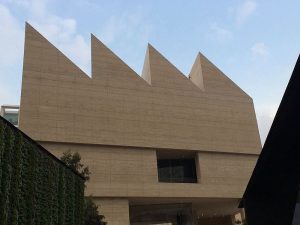
3. Fútbol y arte: Esa misma emoción | Museo Jumex (March 28 to July 26, 2026). The imposing building designed by David Chipperfield in Polanco houses a refined collection of international contemporary art curated by Guillermo Santamarina. Made up of 45 large-format works, including sculptures, video art, and sound installations by global artists. The exhibition uses the visual aesthetics of the stadium and the overflowing passion of football fanaticism as a canvas to question profound issues such as national identity, gender barriers, mass consumption, and globalization. Official link: fundacionjumex.org
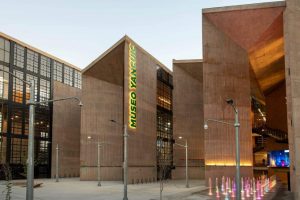
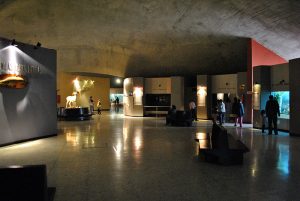
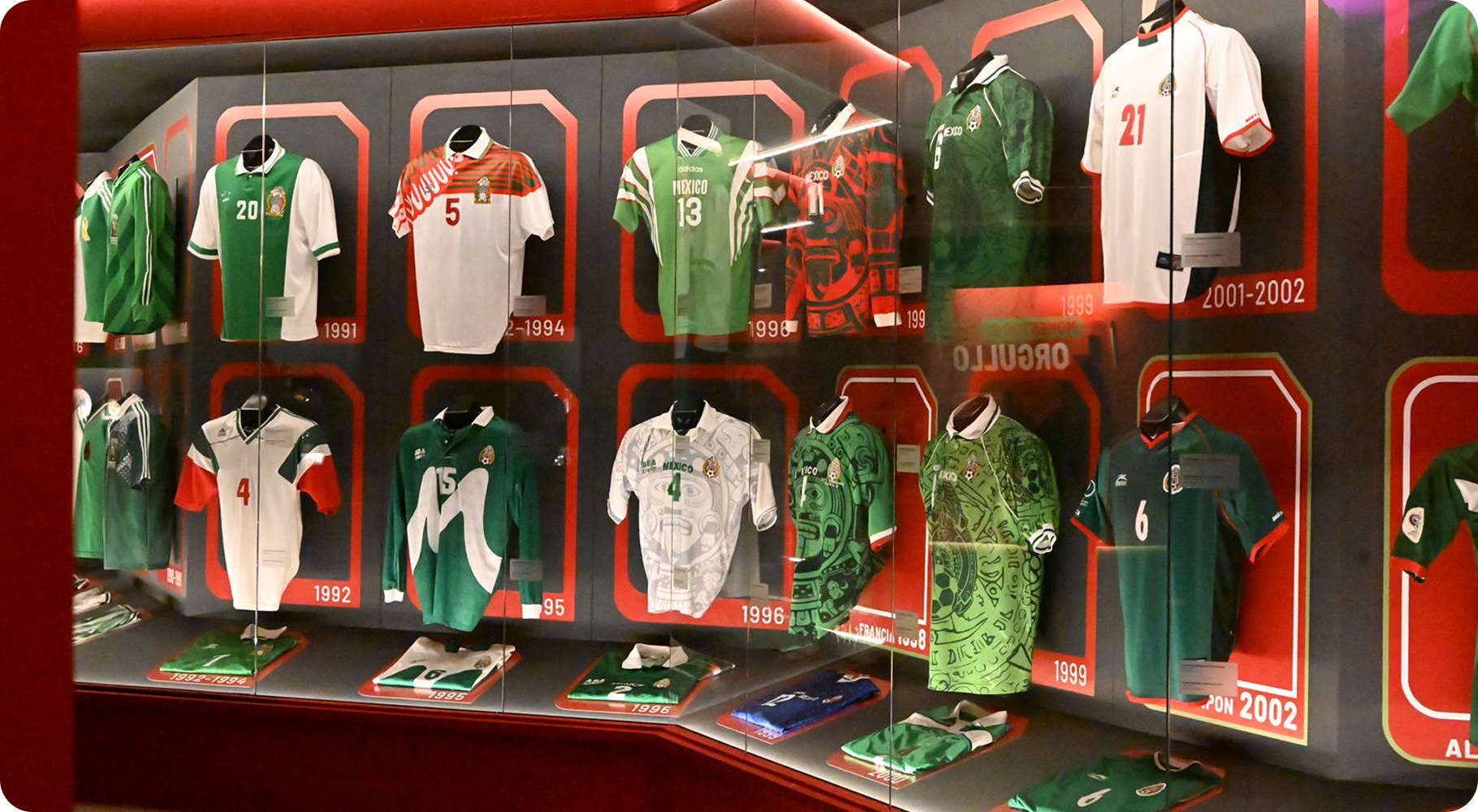
4. Álbum Épico | Museo Yancuic (March 29 to August 02, 2026). Nestled in Iztapalapa, this venue exhibits the largest collection of football memorabilia ever gathered, with more than 15,000 authenticated historical pieces. It is the authentic "holy grail" for collectors. Its galleries boast official jerseys, still bearing traces of dirt and sweat, worn by legends from 90 national teams in the most iconic finals in history. It features 5 interactive hologram areas to simulate a "Team Messi vs Ronaldo" and provides a physical album to attendees to collect exclusive stickers in each room. Official link: cultura.cdmx.gob.mx/recintos/museo-yancuic
5. México Aquí | Monumento a la Madre (May 7 to August 30, 2026). An immense multisensory and open-air pavilion of 2,000 square meters in the heart of the Reforma-Insurgentes corridor. Designed to celebrate Mexican identity and its legendary hospitality, it is divided into 6 immersive thematic rooms (Stone, Light, Music, Rites, Mass, and Ball). It combines architectural projections, regional gastronomic tasting areas, and megascreens surrounded by green areas so that tourists can enjoy the party in a cultural environment. Official link: mexicocityfwc26.com.mx
6. Leonora Carrington: Laberinto | CAI-Centro de las Artes Inmersivas (April 22 to August 30, 2026). Taking advantage of the flow of international tourism, CDMX pays tribute to one of its most beloved artists. This 360-degree multimedia immersion covers more than 1,500 meters of laser projection. Using state-of-the-art digital mapping and immersive sound design, the visitor literally walks inside 40 digitized paintings, interacting with Celtic symbols and dreamlike creatures of Carrington's surrealism, all accompanied by 15 monumental physical sculptures by the artist. Official link: laberintomagico.com
7. La ciudad de los Tres Mundiales | Ágora. Galería del Pueblo (April 29 to August 9, 2026). Located in the Old City Hall Palace in the Zócalo, this exhibition offers a deeply nostalgic journey. Through 120 restored vintage photographs and 45 period newspaper covers, the exhibition visually documents how the capital's society dressed, celebrated, and vibrated during the magical Mexico 1970 and Mexico 1986 championships, showing the city's rapid urban transformation. Official link: cultura.cdmx.gob.mx
8. Pasa el balón | Museo Interactivo de Economía (MIDE) (May 13 to August 30, 2026). Created in an unprecedented alliance with the Perot Museum of Nature and Science in Dallas, this exhibition features 15 high-tech stations. It allows children and adults to understand the complex economic, social, and technological impact of modern football. Through participatory modules, real-time data visualization screens, and biomechanical simulators, it explains everything from how the millionaire transfer market works to the global economic spillover generated by the sport. Official link: mide.org.mx
9. ¿De qué color pinta el verde? | El Colegio Nacional (May 12 to August 08, 2026). Mexico's top academic and intellectual institution organizes this profound analytical retrospective. Composed of 50 archival documents and a series of 12 masterful roundtables. The objective is to unravel, alongside thinkers, writers, and sociologists, the anthropological meaning of the pitch's color, the cultural representation of "El Tri" in the eyes of the world, and the complex mass psychology behind the shout of "goal". Official link: colnal.mx
10. Nace una pelota | Metro Zapata (May 15 to July 31, 2026). In an extraordinary direct collaboration with the National Institute of Anthropology and History (INAH), the underground corridors of Metro Line 12 become a high-traffic archaeological museum. Displayed under strict conservation controls are 3 original raw rubber balls over 3,600 years old, discovered at the sacred site of El Manatí, Veracruz. Accompanied by 10 informative dioramas, they trace the amazing lineage from the ancient and sacred Mesoamerican rite to today's World Cup. Official link: inah.gob.mx
11. La ciencia está en la cancha | UNIVERSUM (May 19 to October 4, 2026). The UNAM's imposing science museum offers 20 laboratories and interactive challenges on physics, biology, and technology applied to football. Through sensory experiences (such as a miniature wind tunnel), attendees discover the exact aerodynamics behind the swerve effect (chanfle), the secrets of high-performance nutrition for elite athletes, how VAR technology operates, and includes spaces dedicated to technological innovation in adapted football. Official link: universum.unam.mx
12. Copa de arte popular | Palacio de Iturbide (May 21 to July 31, 2026). Fomento Cultural Citibanamex transforms the courtyards of this 18th-century architectural jewel in the Historic Center. The exhibition displays 150 unpublished masterpieces (winners of the "Popular Art Cup"). Visitors will marvel at works of black clay, carved wood, lacquer, and fine textiles where the Great Master Artisans from all over the country reinterpret the iconography, teams, and history of football exclusively from the perspective of the native peoples. Official link: fomentoculturalcitibanamex.org
13. Diosa redonda: Antropotextiles | Museo de la Ciudad de México (May 23 to August 30, 2026). Artist Gabriela González Leal intervenes the rooms of this viceregal palace to exhibit 12 monumental textile installations created from recycled jerseys and sports uniforms. The work sharply and critically questions the immense carbon footprint, water pollution, and ecological impact generated by the mass production and fast consumption model of sportswear. Official link: museociudaddemexico.cdmx.gob.mx
14. Túnel del tiempo: La transformación de la Ciudad | Pasaje Zócalo-Pino Suárez(May 29 to July 31, 2026). Taking advantage of the transit of thousands of people, this underground passage becomes an immersive corridor with 500 meters of light, projections, and surround sound. It illustrates how the city's transport infrastructure and architecture expanded rapidly with each World Cup (1970 and 1986). The curatorship reclaims, with dozens of hours of unreleased audiovisual material, the heroic and historic 1971 Women's World Championship, which packed the Azteca Stadium. Official link: cultura.cdmx.gob.mx
15. Reapertura Oficial | Museo Dolores Olmedo(May 30 to August 31, 2026). After an extensive and meticulous restoration period, the beautiful former hacienda of La Noria in Xochimilco reopens its doors right in the middle of the World Cup season. The exhibition shows in all its splendor the private collection with 139 works by Diego Rivera and 25 masterpieces by Frida Kahlo, allowing international tourists to connect with the maximum expression of post-revolutionary Mexican art among its iconic gardens. Official link: museodoloresolmedo.org.mx
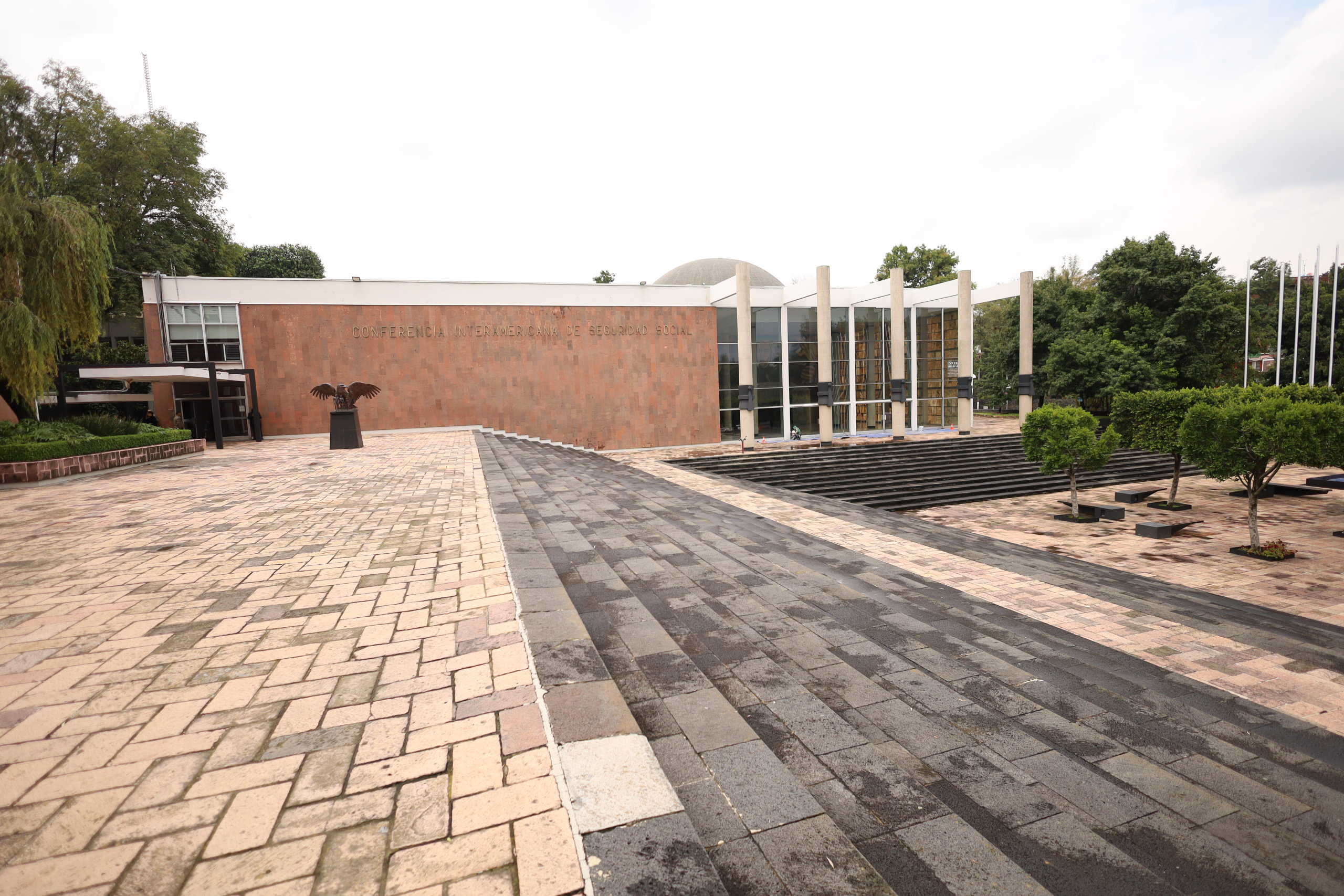
16. La ciudad que no ha dejado de jugar | Sede CISS (May 27 to July 31, 2026). The facilities of the Inter-American Conference on Social Security (CISS) in the south of the city offer a nostalgic museum recreation. Fans will be able to physically visit the actual concentration site of the mythical 1970 Brazil National Team. The exhibition includes more than 60 personal objects and documents, allowing attendees to enter the room occupied by three-time champion Pelé. Official link: ciss-bienestar.org
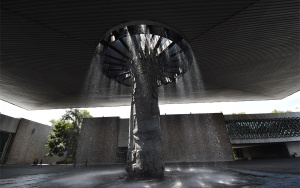
17. Annie Leibovitz. Fútbol 2026 | Museo Nacional de Antropología (June 1 to August 31, 2026). Under the monumental architecture of the venue, the lens of Annie Leibovitz—the most influential American photographer of contemporary portraiture—exhibits an exclusive collection of 35 large-format portraits. Leibovitz captures the essence and tension of the great stars of modern football, juxtaposing and framing their figures against the imposing drama of the archaeological zones of Mexico's vast pre-Hispanic heritage. Official link: mna.inah.gob.mx
18. Un Balón para el Museo 2026 | Museo de Historia Natural (June 3 to July 31, 2026). Located between the lakes of the Second Section of the Chapultepec Forest, this fascinating interdisciplinary exhibition features 40 comparative displays. It connects the primal instinct of competition, speed, and endurance in the animal kingdom (like the cheetah or the gazelle) with the highest athletic capabilities of humans on the pitch, in addition to exploring the biodiversity of Mexico, the United States, and Canada. Official link: data.sedema.cdmx.gob.mx/museodehistorianatural
19. Cancha de los niños | Papalote Museo del Niño (June 2 to August 31, 2026). True to its philosophy of "I Touch, I Play, and I Learn" ("Toco, Juego y Aprendo"), the museum transforms its facilities, offering an immersive experience in a 1,500 square meter area designed for the little ones. It features 8 physical agility circuits, interactive workshops for children to build their own foosball table with recyclable materials, and playful dynamics focused on instilling teamwork and inclusion. Official link: papalote.org.mx
20. Tres exposiciones simultáneas | Museo Tamayo (June 10 to July 31, 2026). In the heart of Chapultepec, the museum presents a curatorship composed of 28 original canvases by the Oaxacan master Rufino Tamayo. The exhibition deliberately highlights his famous warm color palettes that poetically evoke the sunsets and the warmth of the skies of Mexico during the vibrant World Cup summer season. Official link: museotamayo.org
21. Exposición Fotográfica Mundialista | Rejas de Chapultepec (June 11 to July 19, 2026). Taking advantage of the exact days of the sports competition, the city's most famous iconic open-air gallery, located along Paseo de la Reforma and the Chapultepec Forest, will exhibit a photographic curatorship of more than 80 large-format images. Through the lens of prominent national and international photojournalists, the exhibition captures the drama, tears, and glory of the World Cups, connecting art directly with the thousands of pedestrians who will walk the avenue. Official link: cultura.cdmx.gob.mx
22. Exposición de Balones Monumentales | Paseo de la Reforma (June 11 to July 19, 2026). The capital's most emblematic road corridor becomes a vibrant open-air gallery. The sidewalks of Paseo de la Reforma will be taken over by spheres and monumental pieces intervened by urban artists, design collectives, and master cartoneros. This free exhibition allows international and local tourists to interact with contemporary art and Mexican folklore while walking towards the FIFA Fan Fest or the metropolis's cultural venues. Official link: mexicocityfwc26.com.mx
23. El jardín de Velasco | Museo Kaluz (Permanent exhibition). Strategically inaugurated as the great prelude to the World Cup, this magnificent exhibition in the viceregal building on Hidalgo Avenue is an immersive journey. Through 85 landscape paintings and visual chronicles, it recounts 400 years of Mexican history, landscaping, and urbanism; essential for foreign visitors to understand the visual evolution of our capital. Official link: museokaluz.org
24. Canchas desiguales | MUAC (UNAM) (June 2026). One of the program's boldest artistic bets. It is a colossal immersive installation of more than 1,000 square meters that physically deconstructs the playing field. It deliberately alters the slopes, lines, and layout of a football pitch inside the museum to make visible the gender gaps, economic exclusion barriers, and structural inequalities that condition the sport globally. Official link: muac.unam.mx
More information at mexicocityfwc26
*Subject to change without notice


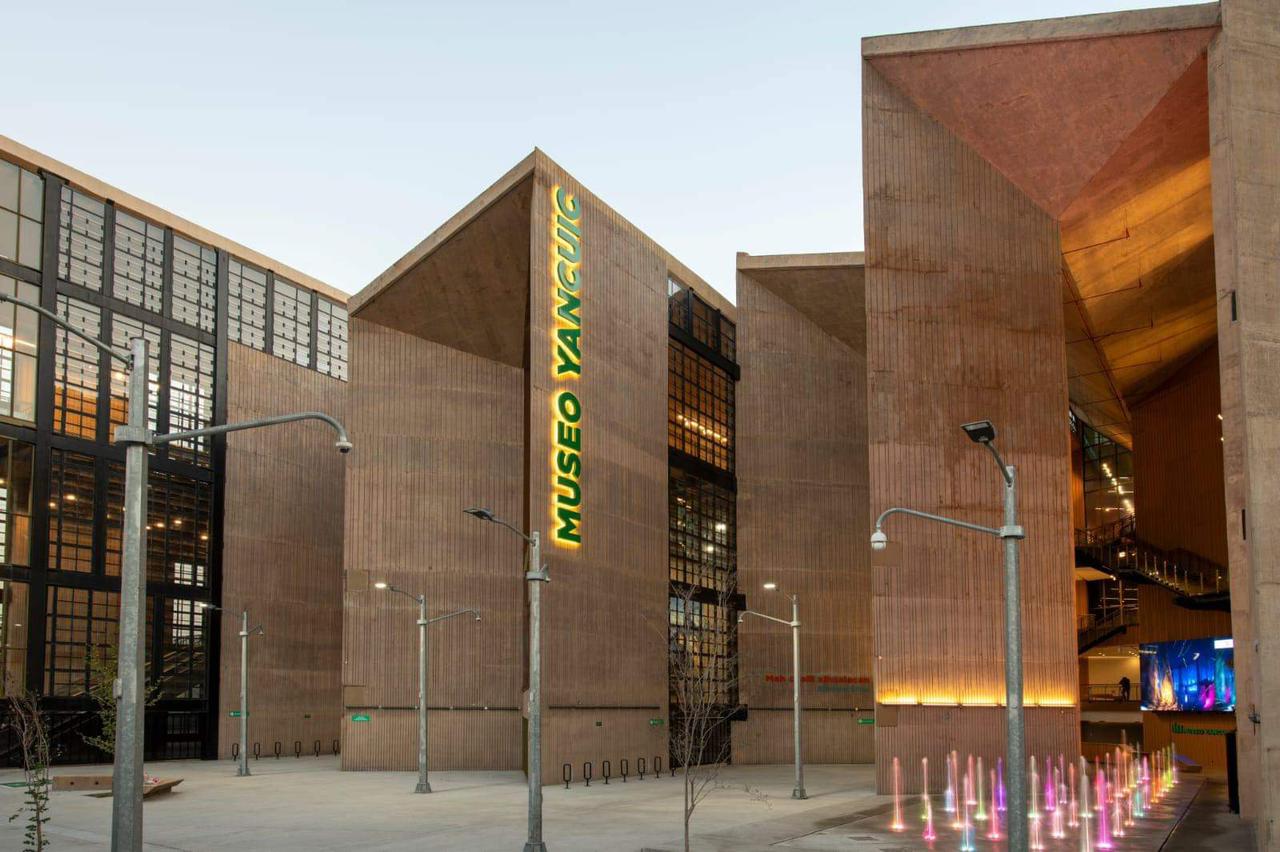
 Acceso al Paradero, Col. Los Ángeles, Alc. Iztapalapa, 09830 CDMX
  The cultural corridor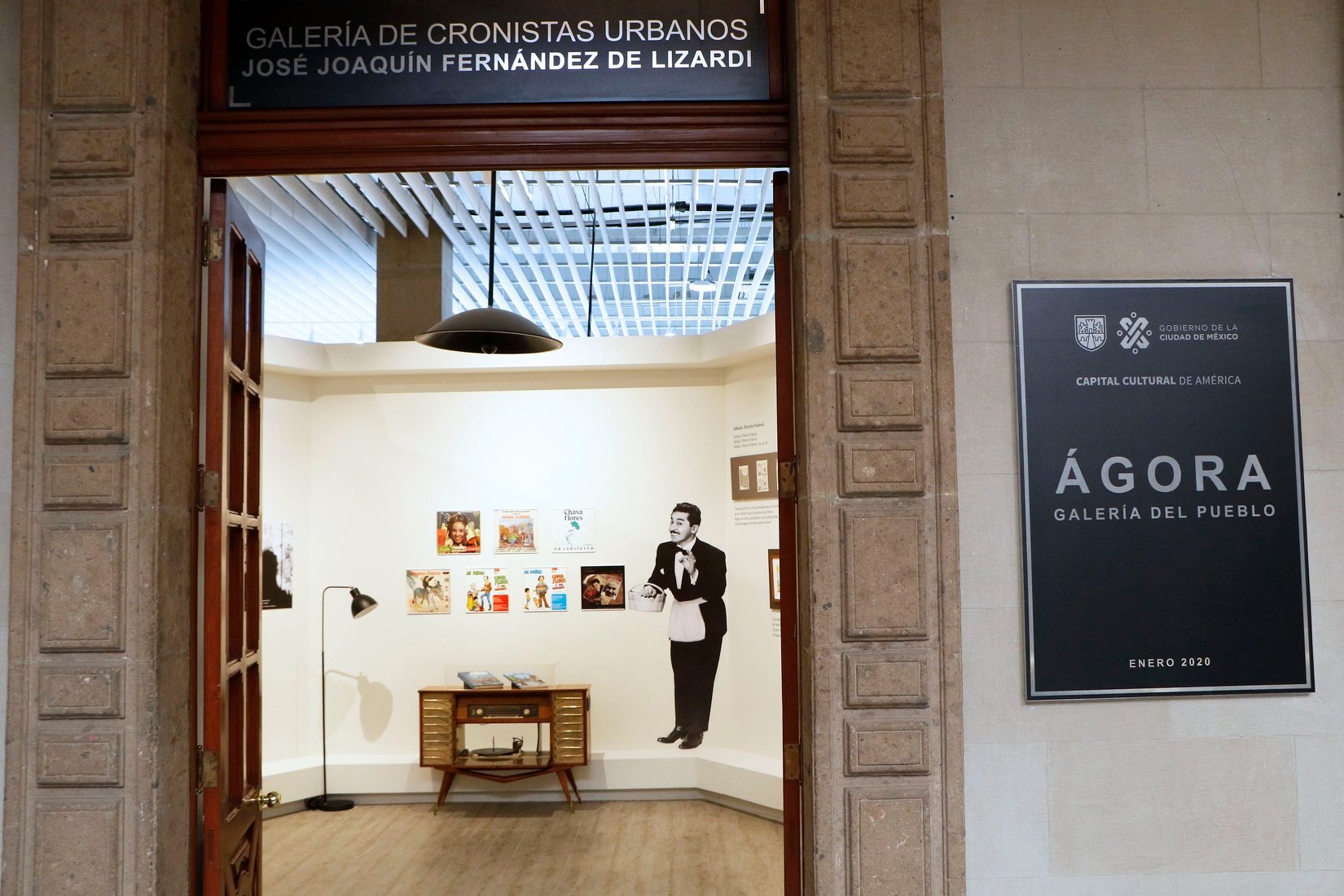
 Centro Histórico (Imperdibles)