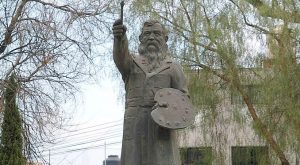
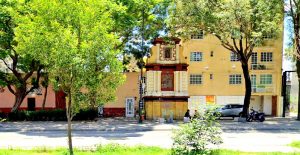
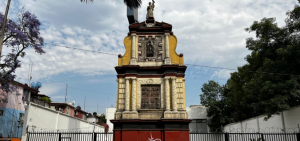
Mexico City can be explored as a massive open-air museum. Its streets, squares, parks, and avenues safeguard one of the richest collections of public art in Latin America: monumental sculptures, historic fountains, memorials, contemporary installations, and architectural complexes that narrate, in the open air, more than seven centuries of history. Discovering this heritage is embarking on a journey through the artistic evolution of the capital and understanding how each era has left its mark on the urban landscape.
From pre-Hispanic sculpture to contemporary expressions, the capital's public space has been the stage for the country's great political, social, and cultural transformations. During the viceregal period, art was closely linked to religious and civil power, visible in atrial crosses, fountains, and quarry stone facades that still distinguish the Historic Center. In the second half of the 19th century, the city adopted a European-inspired urban language that gave rise to great avenues, equestrian monuments, obelisks, and hemicycles dedicated to national heroes. After the Revolution, muralism turned the walls of public buildings into a powerful tool for collective identity, while the 1968 Olympic Games opened the door to abstract sculpture and large-scale contemporary art, consolidating the capital as a permanent destination for urban creation.
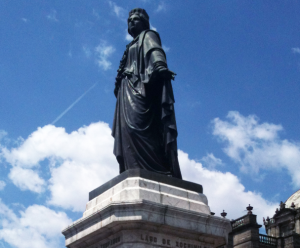
The journey begins in the Historic Center, where the political, religious, and cultural power of the country converge. The Plaza de la Constitución, the Metropolitan Cathedral, the National Palace, and the Palace of Fine Arts make up an exceptional complex in which the pre-Hispanic legacy, viceregal splendor, and modern architecture dialogue. In its surroundings appear some of the city's most emblematic monuments, such as the famous equestrian statue of Charles IV—popularly known as El Caballito and considered one of the masterpieces of sculptor Manuel Tolsá—the historic Chinese Clock of Bucareli, and the imposing Monument to the Revolution, one of the great symbols of 20th-century Mexico.
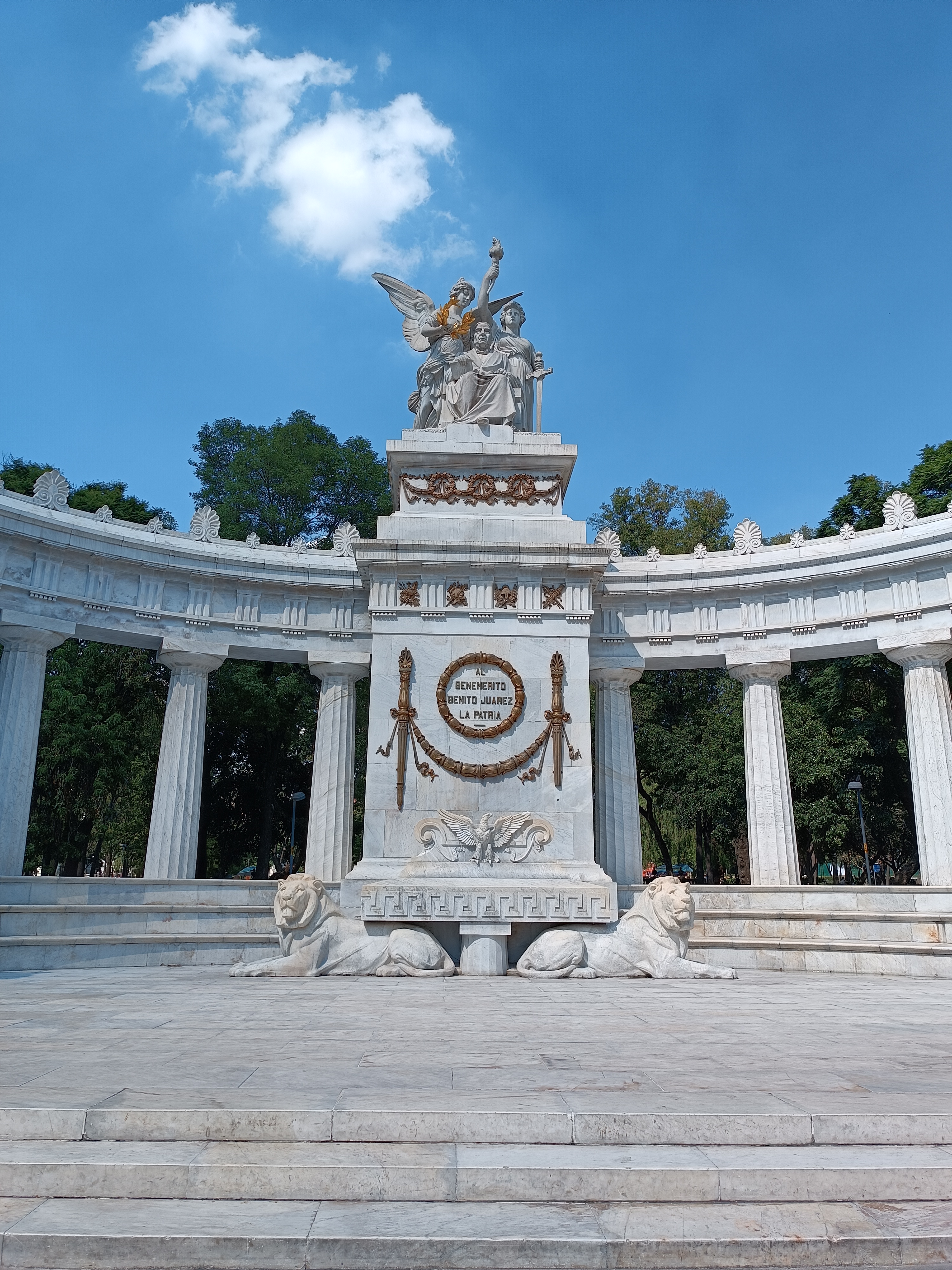
The Monument to the Revolution, located in the Plaza de la República (Tabacalera neighborhood), was inaugurated in 1938 and is the work of architect Carlos Obregón Santacilia, who integrated into his design sculptures by Oliverio Martínez representing Independence, the Reform Laws, Agrarian Laws, and Labor Laws. Nearby, the Juárez Hemicycle, in the Alameda Central, commemorates the Centennial of Independence and stands out for its semicircular Carrara marble floor plan, the work of architect Guillermo Heredia.
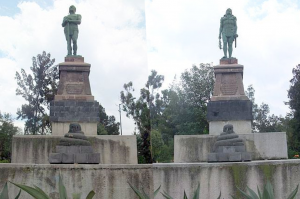
Towards the west, Paseo de la Reforma displays the country's most representative monumental avenue. The Monument to Independence—inaugurated in 1910 and the work of architect Antonio Rivas Mercado and sculptor Enrique Alciati—the Diana the Huntress, and the Monument to Cuauhtémoc, inaugurated in 1887 with sculptures by Miguel Noreña and a base designed by engineer Francisco Jiménez that evokes the architecture of Mitla, are part of a sequence of public spaces where historical heritage and contemporary architecture coexist, represented by landmarks like the Torre Mayor. Very close by, the Chapultepec Forest expands this experience by becoming an area that brings together works such as the Altar to the Homeland (Altar a la Patria), the Avenue of the Poets (Calzada de los Poetas), the Nezahualcóyotl Fountain, the monumental Monolith of Tláloc, and the historic ahuehuete tree known as El Sargento, before arriving at the Petroleum Fountain (Fuente de Petróleos).
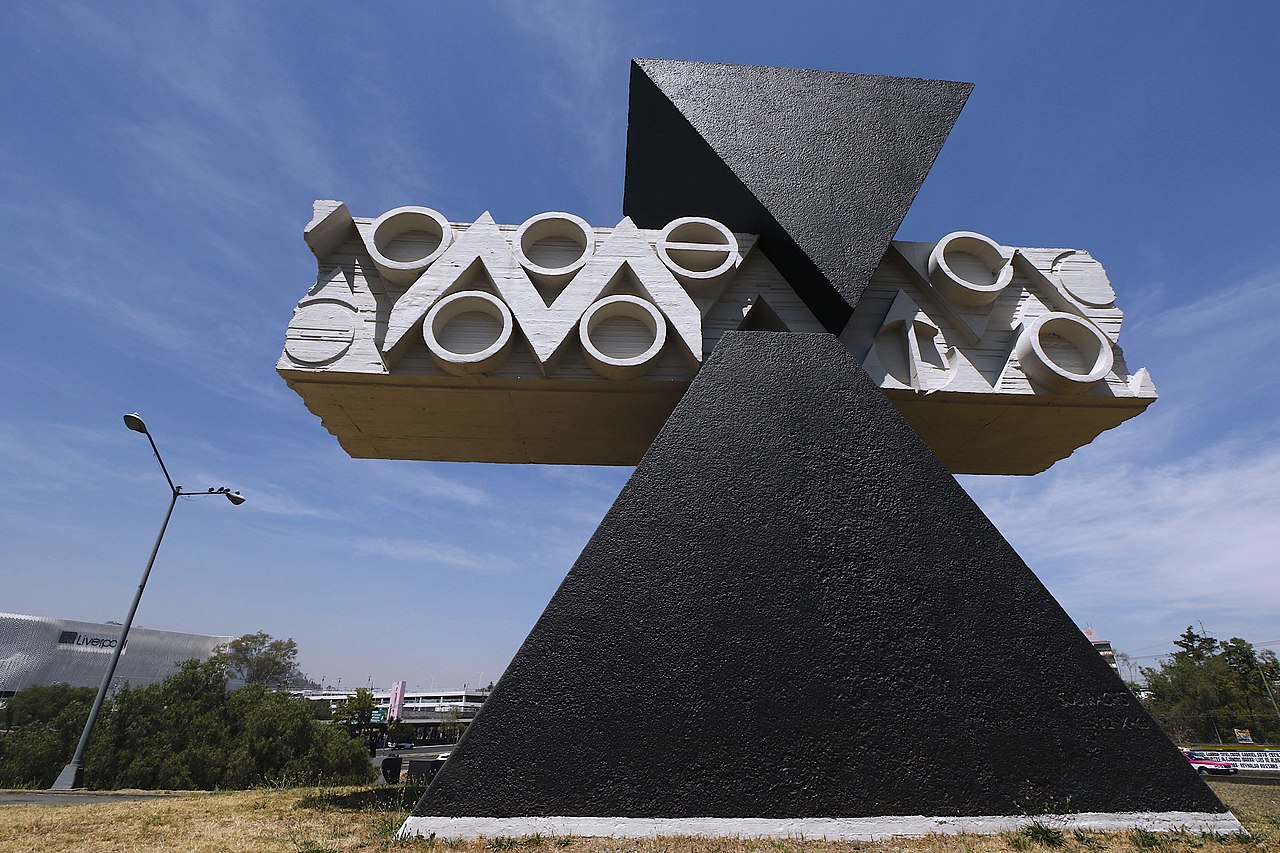
To the north of the city, the Gustavo A. Madero and Cuauhtémoc boroughs offer a route marked by historical memory and religious tradition. The Calzada de los Misterios preserves fifteen viceregal monuments that represent the Mysteries of the Rosary and leads to the complex of the Basilica of Guadalupe, one of the most important pilgrimage centers in the world. In this area, the Monument to La Raza and the Indios Verdes sculptural complex also stand out, inseparable references to the urban identity of the capital's north.
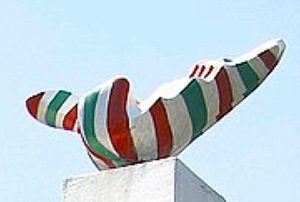
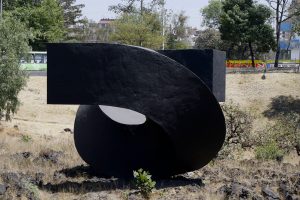
The south of the city reveals another facet of public art, where modern architecture dialogues with the volcanic rock landscape of the Pedregal. In University City, declared a World Heritage site by UNESCO, the Sculptural Space (Espacio Escultórico) constitutes one of the most outstanding works of "land art" in Latin America. Very close by extends the Route of Friendship (Ruta de la Amistad), created for the 1968 Olympic Games and considered one of the most important urban sculptural corridors in the world, with monumental pieces by international artists such as Gonzalo Fonseca, Pierre Székely, Herbert Bayer, and Helen Escobedo. The route concludes among some of the most representative historic monuments of the capital's south, such as the Parque de la Bombilla and the Monument to Álvaro Obregón, the Monument to General Anaya, and the traditional Monument to the Walker (Monumento al Caminero), which for decades marked the city's exit toward Cuernavaca.
More than a catalog of monuments, Mexico City offers an experience where art forms part of daily life. Every sculpture, fountain, square, or memorial tells a different story and turns the urban journey into a permanent invitation to discover a capital that has made public space one of its greatest cultural heritages.


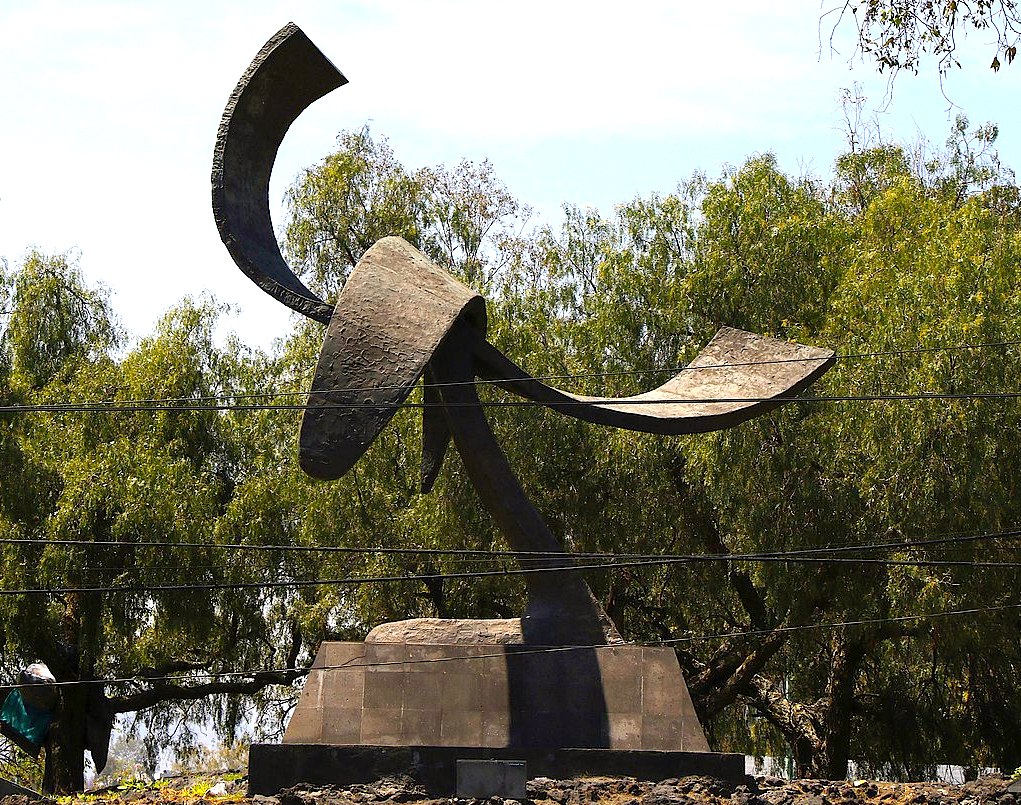
 Insurgentes Sur, Ciudad Universitaria, Alc. Coyoacán, 04510, CDMX
  Public Art/Monuments