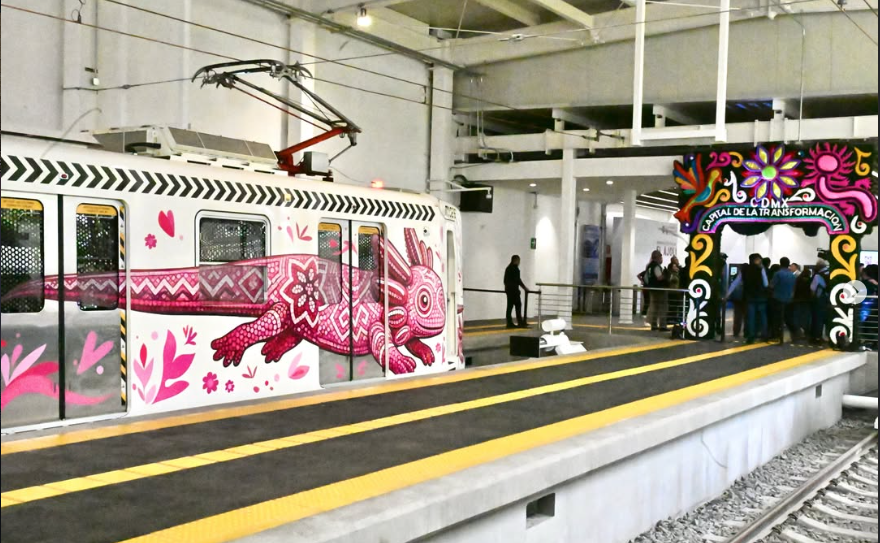
The Light Rail is an indispensable surface transportation system to venture into the Coyoacán, Tlalpan, and Xochimilco boroughs.
Operated by the Electric Transport Service (STE), this system evolved from ancient tram routes to consolidate itself as a modern and eco-friendly rail transport. Its 13-kilometer route allows travelers to observe the city’s transition towards the emblematic original towns and chinampa areas of the capital.
The system has been completely modernized. Exact payment with coins and paper tickets are a thing of the past. Today, access is fully digitalized via the Integrated Mobility Card (MI), ensuring seamless entry without wait times.
The Southern Route Unlike other transports, the Light Rail operates on a single, extensive line consisting of 18 stations. Knowing its key points is essential for your visit:
Updates Heading into the greatest soccer festival, the Government of Mexico City implemented a historic remodeling to guarantee world-class service:
Frequently Asked Questions
What is the fare and how do I pay for the trip? It is one of the most affordable rail transports in the world: the cost per trip is only $3.00 MXN.
Access is exclusive via the Integrated Mobility Card (MI), presented at the digital turnstiles.
Where can I get the MI Card? You can purchase it for $15.00 MXN or recharge your balance at the automatic vending machines located at the entrance of all 18 Light Rail stations. These machines accept coins, bills, and bank cards.
What are the hours of operation? The system operates 365 days a year during the following regular hours (which feature special extensions on international match days):
Is it a safe and accessible system? Yes, safety has improved significantly. All stations are surface-level or elevated and feature ramps to guarantee universal accessibility.
The new “Ajolote” units have LED lighting, emergency intercom systems, and video surveillance cameras connected in real-time.
Are there preferential seats? As in the rest of the mobility network, trains feature exclusive blue seats, designated strictly for use by people with disabilities, the elderly, pregnant women, or people carrying babies.