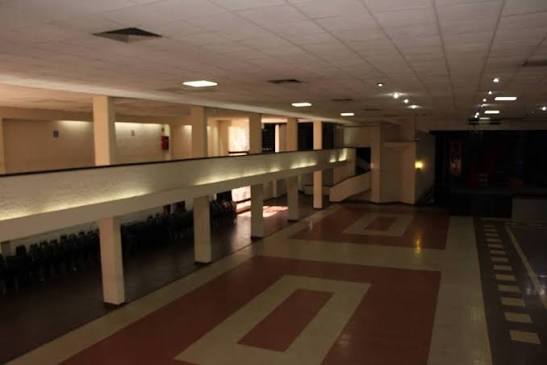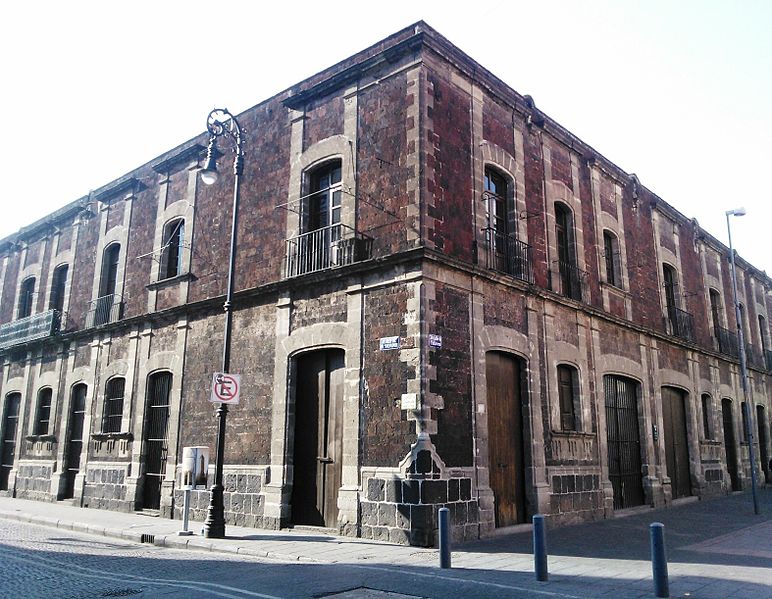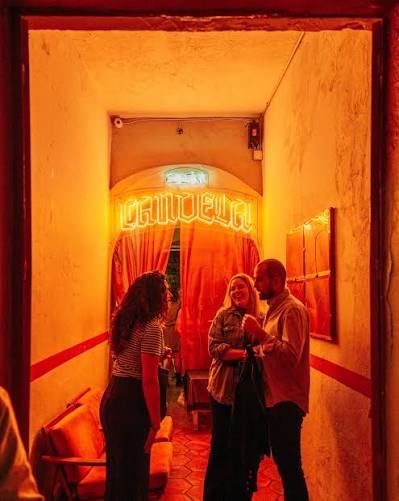

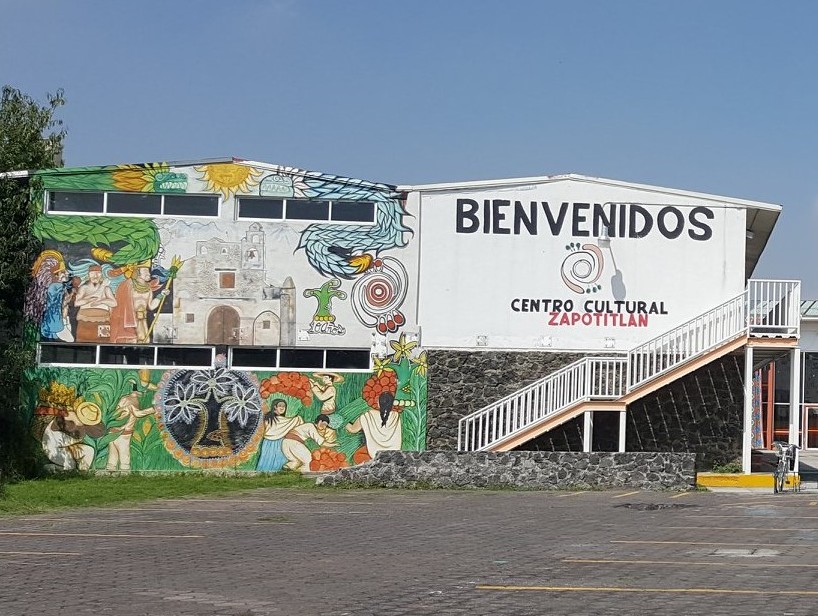
The streets, squares, and buildings of the Mexican capital safeguard one of the richest cultural and community offerings in Latin America: independent forums, avant-garde galleries, neighborhood houses of culture, historical libraries, and educational complexes that narrate the constant dynamism of the social and creative life of Mexico City. Discovering these spaces is embarking on a journey through the artistic evolution of the capital and understanding how each venue injects energy, culture, and diverse knowledge into its neighborhoods.
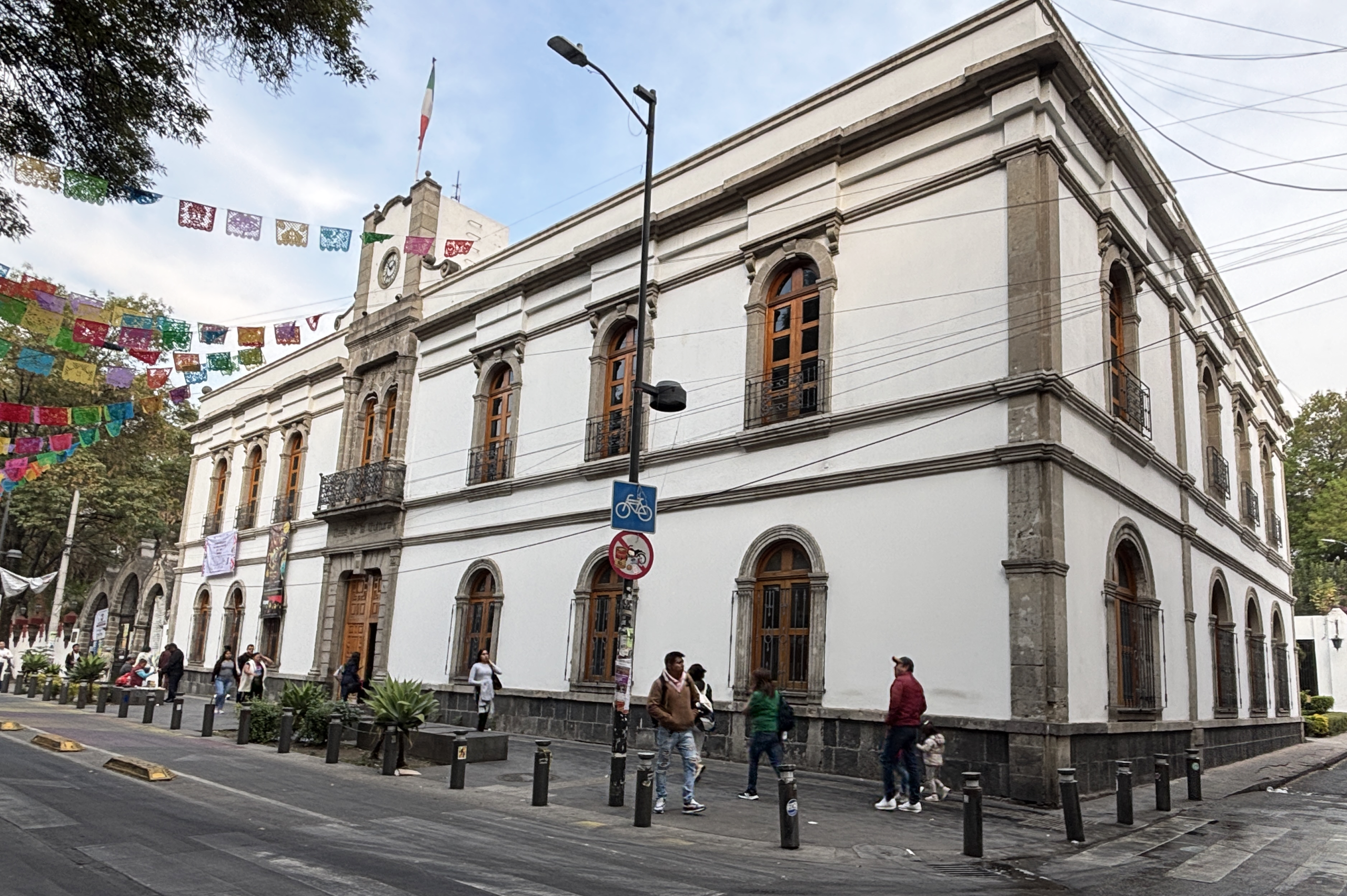
From the old neighborhood washhouses to colossal contemporary complexes, the capital's cultural space has been a stage for learning, resilience, and experimentation. During the viceregal and nineteenth-century periods, mansions and palaces were the epicenter of power and knowledge, and many of these properties, which still distinguish neighborhoods like Roma and the Historic Center, have been recovered for artistic teaching. In the second half of the 20th century, universities and public institutions promoted unprecedented infrastructure, consolidating monumental-scale venues. The city has witnessed the flourishing of a decentralized community network that has brought social innovation, arts, and crafts to the periphery, demonstrating that culture is a fundamental right exercised in every neighborhood and colonia.
The journey begins in the Historic Center, where architectural heritage and community life converge. The Casona de Xicoténcatl (Former Seat of the Senate), the SHCP Cultural Center, and the El Rule Cultural Center form an exceptional complex in which the splendor of the past and modern creation engage in dialogue. In their surroundings appear vital spaces such as the Cultural Center of Spain, the historic Casa Talavera Cultural Center, the Donceles 66 Cultural Center, the Casa de las Campanas, and the Tlatelolco University Cultural Center (CCU Tlatelolco), an essential venue for reflection and memory.
Towards the west, the Roma, Condesa, and Juárez neighborhoods deploy a network marked by elegance, letters, and technology. The Casa Lamm Cultural Center, the Casa de Francia, The Anglo Library, and the Bella Época Cultural Center are part of a sequence where early 20th-century heritage and specialized teaching coexist. Very close by, the Casa de Cultura Romita, the MARSO Foundation, and counterculture sanctuaries like the Multiforo Alicia reflect the sector's creative diversity. Delving into Chapultepec, the experience is expanded with the innovation of the Estela de Luz Digital Culture Center, the Chapultepec Environmental Culture Center, the immersive space Lago Algo, the recovery of the Ex Fábrica de Pólvora as a cultural center, and the historic Los Pinos Cultural Complex.
To the south of the city, the Coyoacán, San Ángel, and Tlalpan boroughs reveal a deeply intellectual and bohemian facet. The Jesús Reyes Heroles House of Culture, the UNAM Humanities House, the "Luis Spota" House of Culture, and the Ana María Hernández Cultural Forum are inseparable benchmarks of Coyoacán's artistic identity. Very close by, the offering diversifies with the Helénico Cultural Center, the Foro La Paz, the Alliance Française Gallery, and the Gabriel García Márquez House of Literature. The journey is nourished by the Magdalena Contreras Cultural Forum, the Tlalpan Cultural and Arts Center (Casa Frissac), its House of Culture, and contemporary experimentation venues like La Quiñonera.
The periphery of the city is the territory where social urbanism and community innovation are transforming the landscape. The network of Arts and Crafts Factories (FARO) stands out nationally with fundamental headquarters such as the El Faro de Oriente Cultural Center, FARO Indios Verdes, FARO Aragón, FARO Azcapotzalco, the Faro de Tláhuac Cultural Center, and the Milpa Alta and Tecómitl FAROs. In Iztapalapa, the monumental Barco Utopía and the Utopía Eduardo Molina constitute outstanding examples of didactic recreation and inclusion. Finally, the vitality of the city is sustained by the daily work of the Santa María la Ribera House of Culture, the Vlady Center, the Atocpan House of Culture, and the Calmécac Forum.
Every center, forum, or workshop tells a different story and turns urban exploration into a permanent invitation to discover a capital that has made learning and collective creation one of its greatest heritages.
We invite you to explore each of these venues below; all these options are integrated into this same page to direct you to the specific details of each venue.