 The stomach of the capital resides in the immense Central de Abasto, a food city within Mexico City itself that has its own codes, rhythms, and culinary jewels.
Touring its massive warehouses awakens a voracious hunger that finds its cure in authentic legends of the venue.
Some unmissables are Pancita Fer, a sanctuary famous for its bowls of red broth with varieties of pancita be it book tripe, honeycomb, scallop, or a soft foot, sprinkled with oregano and chile de árbol; Carnitas El Cherán serving the authentic taste of Michoacán fried in the copper pot, offering its juicy mixed meats, bone-in rib tacos, pork stomach, uterus, and that cuerito that melts on the palate; and Taquería San Antonio, imposing its flavor in its highly tender head tacos—whether maciza, tongue, cheek, or eye—or its tripe and suadero specialty, which can be ordered tender or well-browned to crunch with every bite, feeding hand-truck operators, chefs, and visitors alike.
Iztapalapa also has the privilege of having its own maritime paradise, La Nueva Viga, the second largest fish and seafood market on the planet.
Visiting this immense labyrinth from the early morning guarantees unequaled freshness.
Interior aisles daily market everything from huge red snappers, sea bass, and yellowfin tunas to exotic species and shellfish fresh from the coasts.
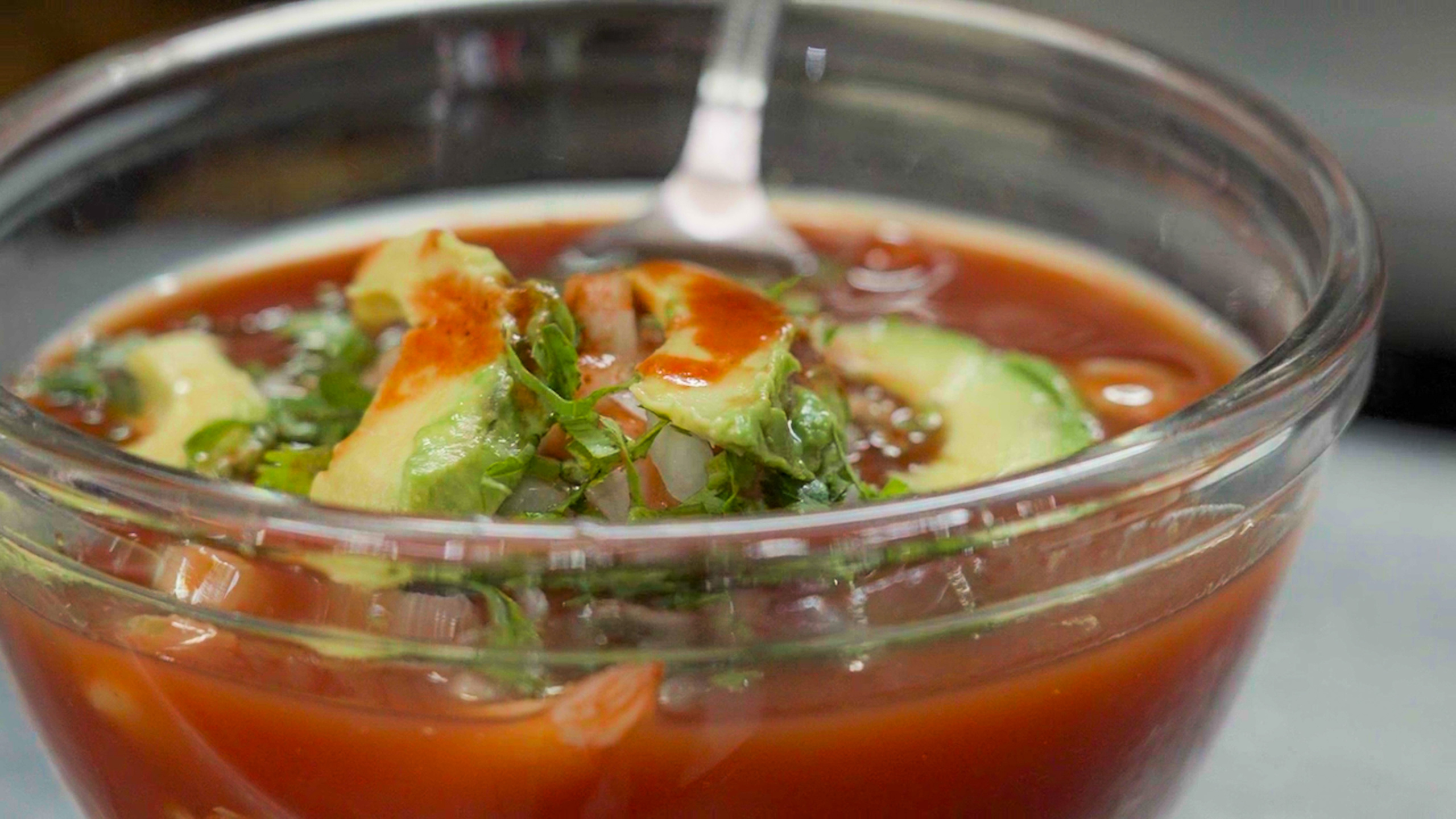
The appetite is satisfied with complete confidence at El Puerto de Alvarado, in warehouse E-3, an indisputable reference for its aguachile molcajete with herbal and citrus accents or the classic vuelve a la vida; for those who prefer hot dishes, the acclaimed tacos gobernador are the most recommended option, where the shrimp melts in a cheese crust on the griddle, although its main jewel is its pescado a la talla, bathed in an adobo that is the house specialty.
Weekends transform the demarcation’s streets into endless gastronomic festivals.
The monumental Santa Cruz Meyehualco Tianguis and the uncontainable Las Torres Tianguis are the mecca of the antojito, offering a variety ranging from mutton mixiotes wrapped in maguey leaves and blue corn quesadillas filled with fresh huitlacoche to a frothy dessert esquimo—whether vanilla, strawberry, chocolate, or walnut—whipped to order with milk and ice.
Holy Week is a symbol of the borough, as the deep devotion of the historic Eight Barrios translates into Lenten dishes with a homey flavor.
Streets around the Santuario del Señor de la Cuevita and inside the traditional Juventino Rosas Market exhibit local cooks deploying their mastery; they prepare immense clay pots with romeritos bathed in a thick and sweet almond mole, accompanied by dried shrimp patties that crunch when bitten and a finger-licking Biscayne cod.
Surrounding areas like Culhuacán maintain the tradition of nieves de garrafa, handmade in wooden barrels with coarse salt, refreshing the palate with irresistible flavors like creamy mamey, angel kiss, and the classic lemon with chia.
Tasting them seals the tour with an artisanal and sweet touch, demonstrating Iztapalapa’s culinary wealth.