Mexico City has consolidated itself as a benchmark for artisanal creativity, where the immense cultural wealth and millennial legacy of the entire country converge. The constant dynamism and metropolitan multiculturalism have historically attracted master artisans from various regions, who, upon settling in the capital, have brought with them their traditions, ancestral knowledge, techniques, and materials. The fusion of these expressions has enriched local production, turning it into one of the most valued and internationally recognized productive activities. In this sector, diversity promotes constant innovation, giving life to unique pieces that forge and reflect the identity of our nation.
The diverse techniques and materials that make up this collection are as vast as the history of the country itself. Among the most outstanding disciplines is cartonería, a technique of pre-Hispanic heritage made from crushed and flattened tree bark, worked with deep respect for being linked to customs and rituals associated with the abundance of harvests. At the same time, wax modeling, born in colonial convents for liturgical and playful purposes, coexists with feather art (arte plumario), a practice that utilizes bird plumage to transform it into ornamental works. Ceramics and pottery, although from different roots, mold clay and mud through specific firing processes, while glassware, introduced after the conquest, melts silica with dissolved salts to create pieces of unique coloring. The millennial art of weaving natural fibers takes advantage of the environment by transforming palm, reed, and wicker, in the same way that ancestral woodworking gives life to musical instruments, miniatures, masks, and alebrijes. This offer is complemented by metalwork and cantera stone carving, which mold metals and volcanic stones to create everything from filigree jewelry and bronze objects to traditional fountains and molcajetes; not forgetting saddlery and leatherwork applied to leather goods and clothing, the unmistakable papel picado that adorns festivities with its figures, and the invaluable textile wealth, where the backstrap loom, the pedal loom, and drawn thread work (deshilado) craft beautiful huipiles, rebozos, and garments for everyday use.
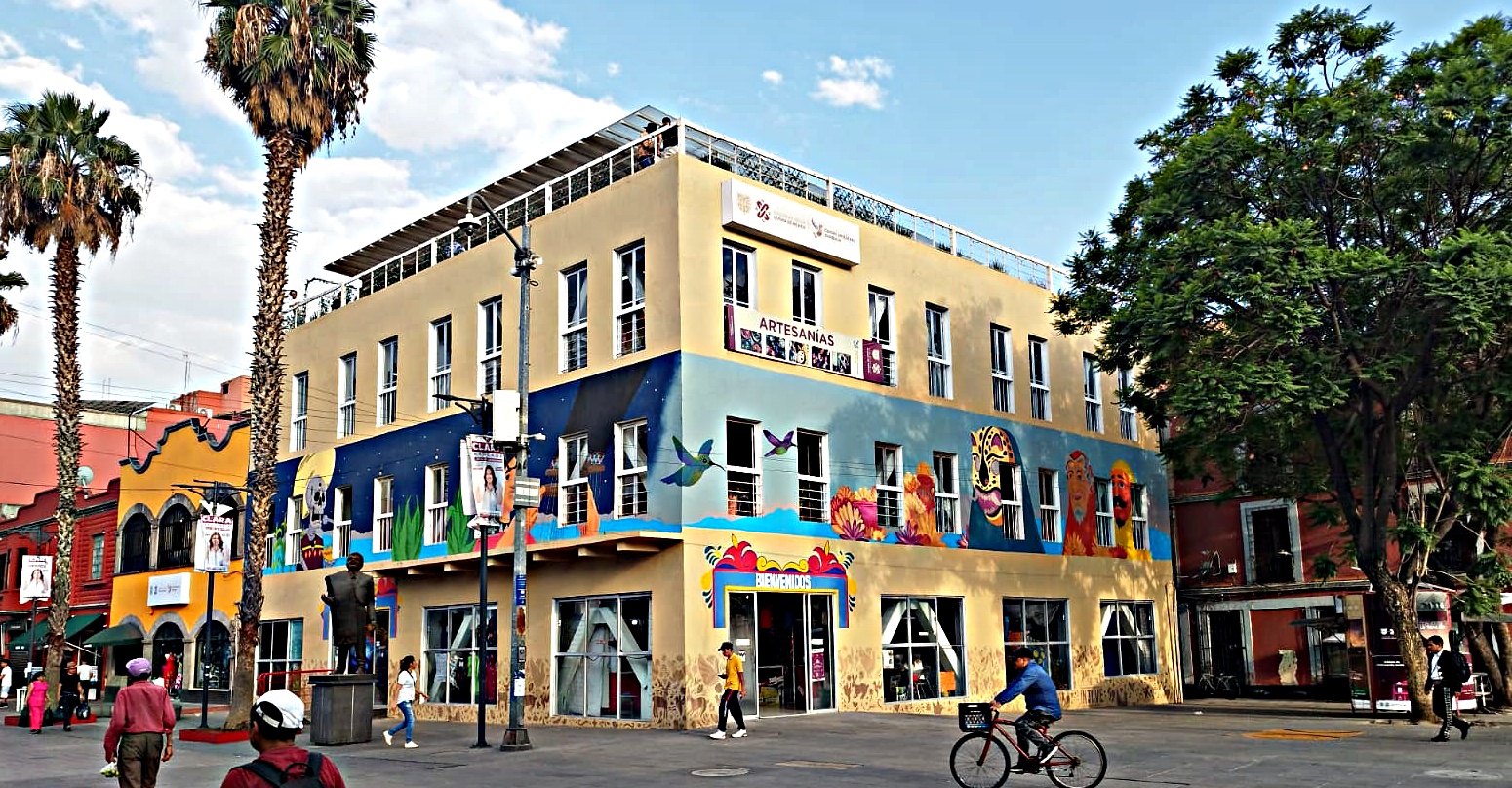
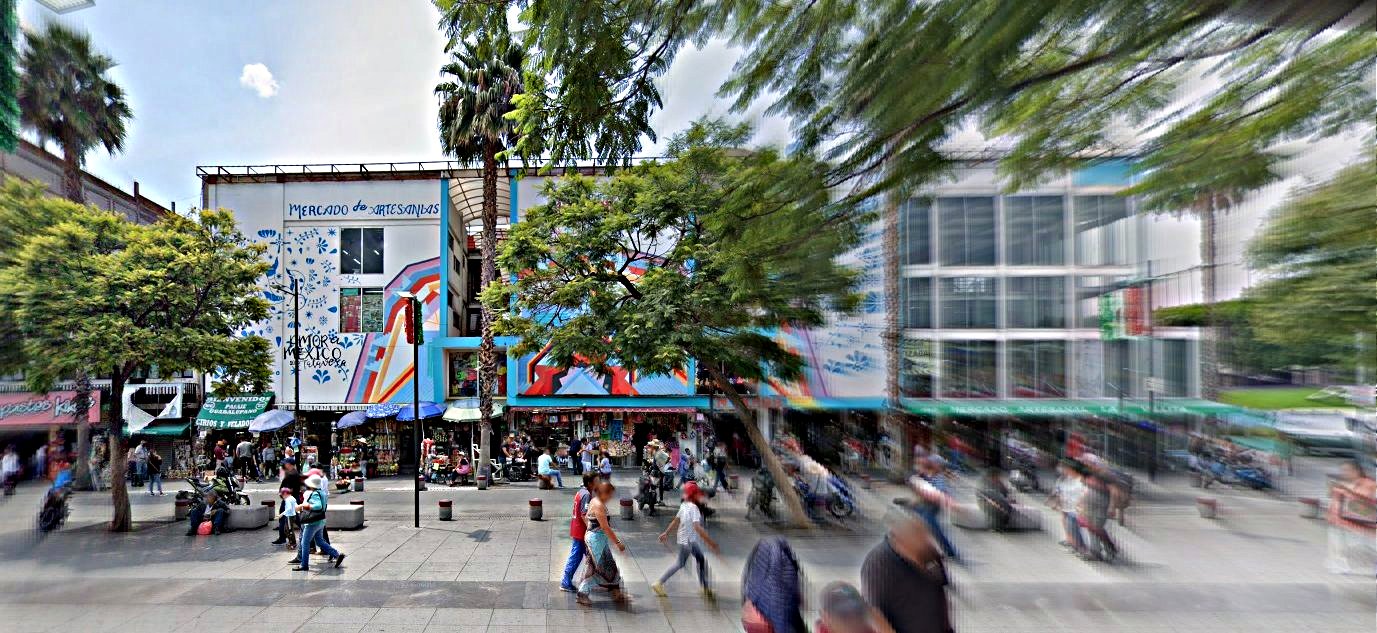
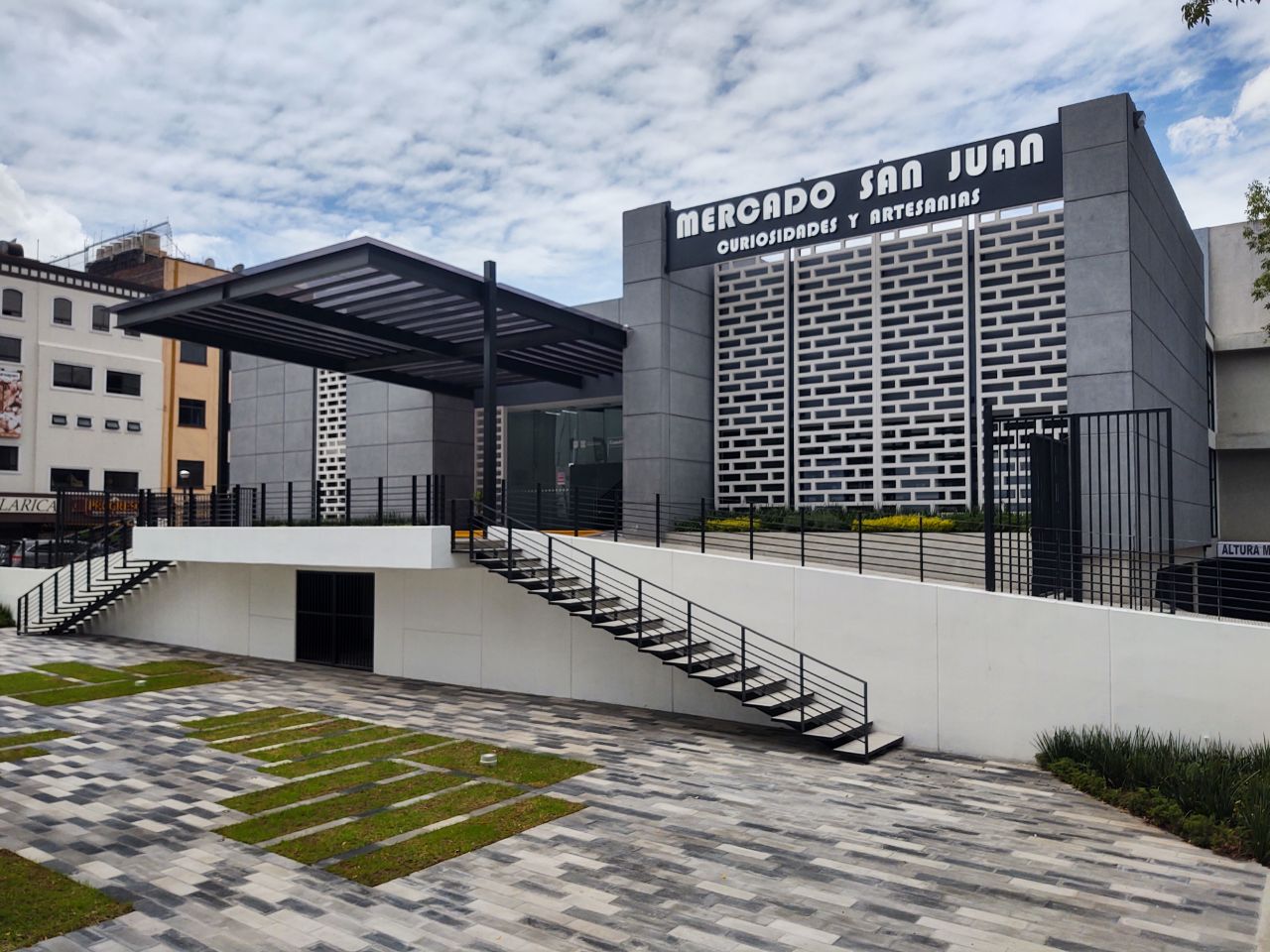
The deep connection with the living heritage materializes in the heart of the city, the great meeting point for Mexican popular art. Initiatives such as Artesanos en el Corazón, a space set up in the Zócalo during the December holidays, bring together creators to exhibit and market textiles, goldsmithing, ceramics, and traditional design pieces in modules that function as an invaluable fair trade platform. The effort to preserve national mastery finds its historic headquarters in the Ciudadela Handicraft Market (Mercado de Artesanías de la Ciudadela), considered the bastion of artisanal identity in the capital, where a curation of Puebla talavera, Yucatecan hammocks, Huichol art, and Oaxacan alebrijes is exhibited. In this same downtown circuit, the San Juan Handicrafts and Curiosities Market (Mercado de Artesanías y Curiosidades de San Juan) offers an immense selection of unique pieces, while the Garibaldi Artisanal Center (Centro Artesanal Garibaldi) joins the offer in an environment deeply linked to musical folklore.
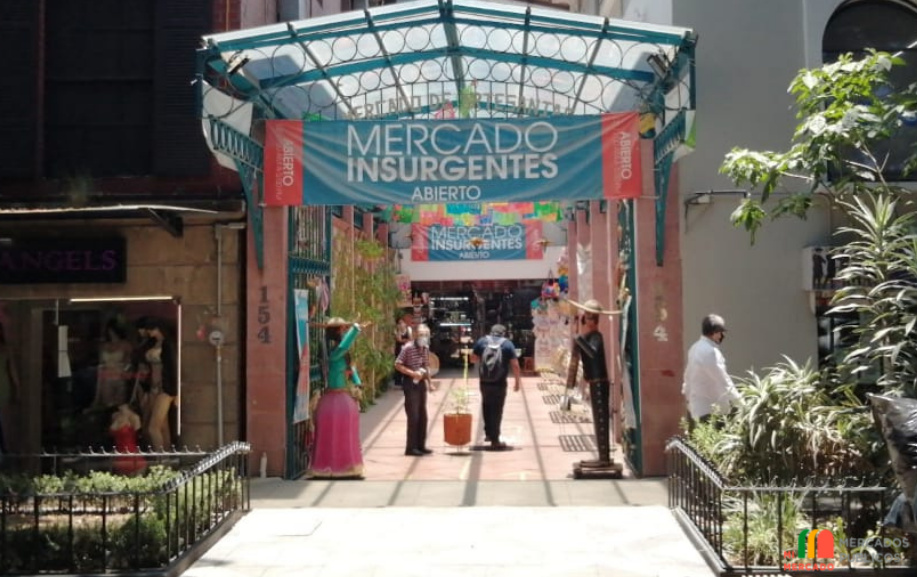
The rescue and dissemination of these original techniques are supported by the National Fund for the Development of Arts and Crafts, whose network has strategic branches such as the galleries located in Reforma, Patriotismo, the Los Pinos Cultural Complex, and the Condesa neighborhood, the latter being an essential bastion that celebrates, exhibits, and preserves the mastery of Mexico's traditional arts. The pride in handmade goods also permeates the most cosmopolitan neighborhoods of the city, where fine Puebla ceramics dazzle visitors in Polanco, spaces dedicated to the arts of Mexico pay tribute to national mastery in the Roma neighborhood, and the historic Insurgentes Market in the Zona Rosa consolidates itself as a vital point to acquire silverware and objects of great tradition.
Towards the south of the city, the viceregal neighborhoods and the native towns zealously safeguard the trades of yesteryear as an act of love for the land. In Coyoacán, the Mexican Artisanal Market (Mercado Artesanal Mexicano) is a vibrant meeting point for local creators, dialoguing with immersive spaces where diverse artisanal pieces come to life in front of passersby. San Ángel, for its part, boasts the prestigious Saturday Bazaar (Bazar del Sábado) in Plaza San Jacinto, the indisputable benchmark for popular art and high-quality handicrafts in the area. The artisanal vocation diversifies in venues specialized in rustic furniture and blacksmithing in Tlalpan, and in spaces that function as an exceptional showcase for manual work, textiles, and products derived from the mountains in La Magdalena Contreras.
The tribute to our roots extends to all corners of the metropolis, from the markets that offer sacred art and traditional souvenirs near the Basilica of Guadalupe in the north, to the mystical Mixquic Market in Tláhuac, a southeastern venue famous for its unparalleled artisanal offer and its deep link to our most sacred traditions. The Ministry of Tourism of Mexico City, as the guarantor of the entity's tourism development, includes among its actions promoting the development of tourism products and experiences based on its attractions and natural and cultural resources that symbolize its essence, its traditions, and its social dynamics transmitted from generation to generation.
As part of this commitment to support the city's living culture, the Ministry of Tourism of Mexico City itself has its Artisanal Exhibition Center (Centro de Exposición Artesanal). Located at Avenida Nuevo León 56, in the Hipódromo neighborhood of the Cuauhtémoc borough, this venue opens its doors from Monday to Friday from 10:00 to 18:00 hours. The space invites visitors to discover the capital's creative wealth, allowing them to appreciate and take home pieces made with the heart by master artisans, consolidating itself as a direct meeting point to acquire local creations.
Likewise, we invite you to explore below each of the venues, markets, and galleries mentioned; all these options are integrated into this same page to direct you to the specific details of each site and help you plan your visit.
Get to know the Catalog of Artisans of Mexico City here


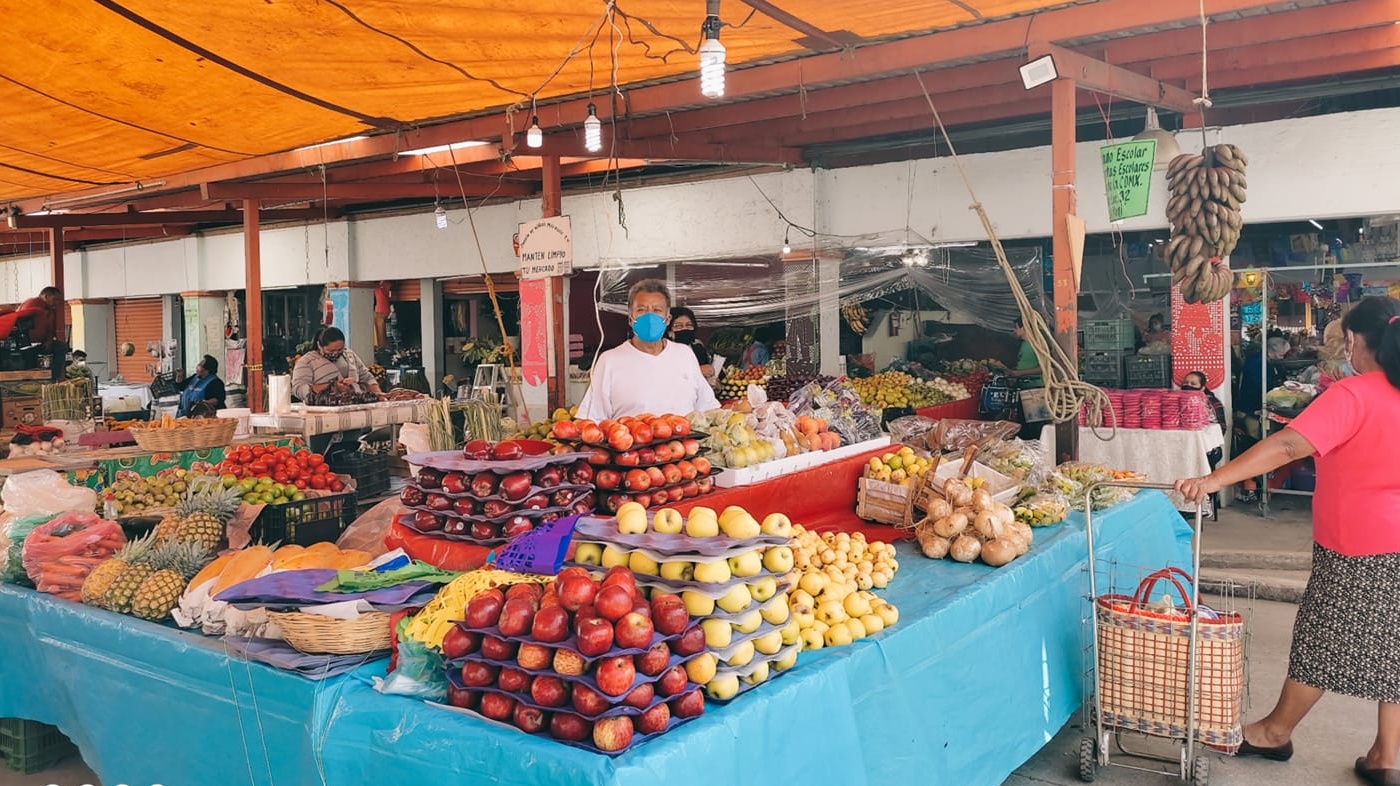
 Canal Seco, Esquina 20 de Noviembre S/N, Col San Miguel, Mixquic, Tláhuac,13600 CDMX
  Crafts