Photos: Luis E Carranza, Attribution-NonCommercial-ShareAlike 2.0 Generic (CC BY-NC-SA 2.0)
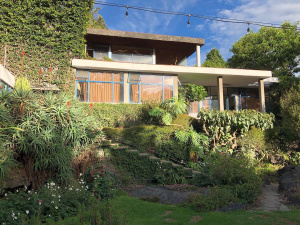
Jardines del Pedregal guards in its lava foundations the first residence built in the subdivision, an architectural jewel designed by master Max Cetto. The building represents a masterful testimony of the plastic integration between European functionalism and the volcanic landscape of the south of Mexico City. Urbanism and art enthusiasts discover in these walls a refuge where modernity deeply respects the natural relief of the land.
Ludwig Max Cetto Day landed on Mexican soil in 1939, escaping persecution in Europe. The German architect collaborated closely with Luis Barragán in the conceptual planning of the area, although it was in 1949 when he erected his own studio house on the volcanic terrain. The construction symbolizes the cultural encounter between two worlds, consolidating itself as a milestone of modern architecture that gave aesthetic identity to the entire sector.
Dark basalt from the Xitle volcano constitutes the main element of the work, blending the house with the undulations of the rocky terrain. The architecture springs directly from the stone, using local materials to create an organic, austere, and functional residence. Large glass windows, wooden details, and decorative mosaics fuse with the amazing garden conceived by Catarina Cetto. Landscapes inhabited by endemic flora envelop the rooms, achieving absolute harmony between the human habitat and Mexican geology.
Original blueprints, unpublished sketches, and the master’s personal library occupy the workshop where fundamental theories of contemporary design were conceived. The venue maintains its cultural relevance, operating as a living research center under the custody of the creator’s descendants. Specialized workshops, guided tours, and architecture seminars ensure that Max Cetto’s legacy continues to inspire new generations of professionals and cultural tourists.
Max Cetto
Hours: Saturdays from 11:00 to 14:00 hours through scheduled tours. Weekday visits require a prior appointment.
Transportation: Copilco Metro Station (Line 3) or Doctor Gálvez Metrobús Station (Line 1).
Visits must be scheduled by email or via the website contact form.
 contacto@casaestudiomaxcetto.com
 http://www.casaestudiomaxcetto.com

Nearest at 0.30 kms.
Nearest at 0.31 kms.
Nearest at 0.32 kms.
A historic and still-chic Modernist home in the Jardínes del Pedregal . . .
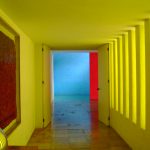
One of Luis Barragán's most beloved residential works . . .
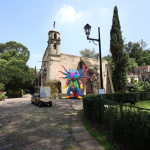
One of Xochimilco's best kept secrets, the Dolores Olmedo Museum is opulent and inviting.
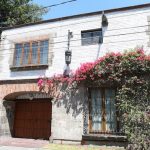
The final home of the Nobel Laureate...