
MexicoCity
.cdmx.gob.mx

--
--:--
☁️ --°
< Regresar

Original villages of La GAM

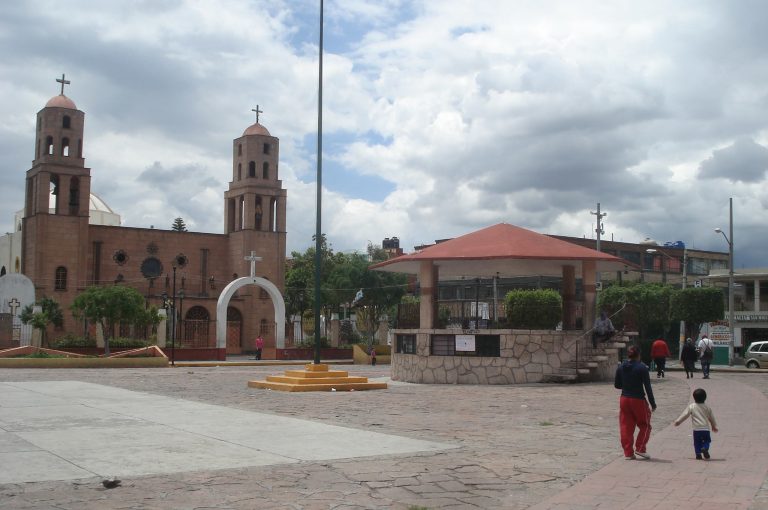
The north of Mexico City guards a profound pre-Hispanic heritage through the original villages of the Gustavo A. Madero borough.

These settlements—whose Nahuatl names evoke the ancient lacustrine and mountainous landscape of the basin—predate the urban expansion and the founding of the historic Villa de Guadalupe by centuries.

Touring their streets is to discover the true foundations of the capital, a territory where community traditions, patron saint festivities, and the memory of the first settlers are kept alive at the foot of the Sierra de Guadalupe.

The surroundings of the Tepeyac hill functioned as the historical epicenter of this development.

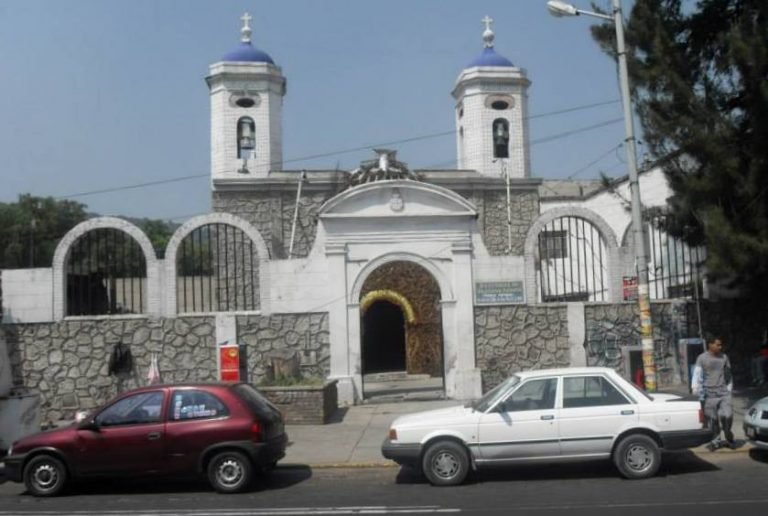
Very close to the current Marian sanctuary is Santa Isabel Tola, a town that preserves its identity among vestiges of viceregal aqueducts and ancient chapels.

Towards the north, localities like San Pedro Zacatenco and San Bartolomé Atepehuacan stand as millennial guardians; in these lands, important archaeological remains have been discovered that reveal how the first agricultural villages of the valley lived long before the splendor of the Mexica empire.

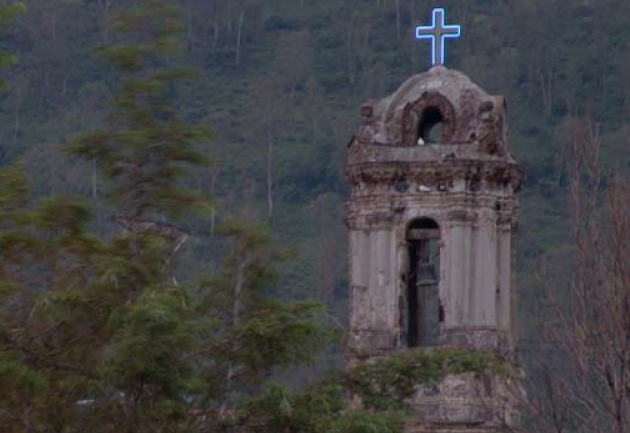
The route towards the slopes of the extinct volcanoes leads to the Cuautepec region, whose Barrio Alto houses the Parish of the Preciosa Sangre de Cristo, a beautiful architectural jewel built in the 18th century.

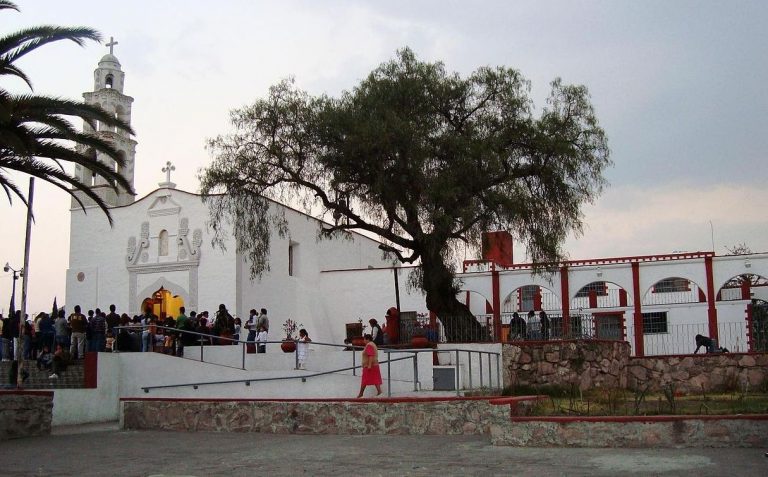
To the northeast, Santiago Atzacoalco and Santiago Atepetlac surprise the traveler with their centennial temples and pantheons, deeply rooted spaces where religious syncretism is breathed in every corner.

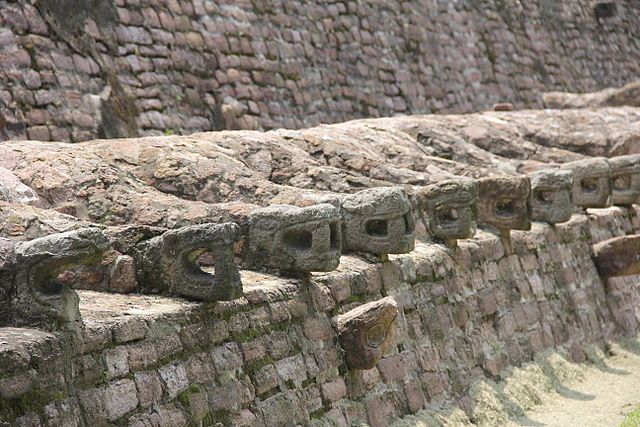
On the borders of the demarcation, the proximity to the Tenayuca Archaeological Zone complements the journey, offering the visitor a monumental view of Chichimeca architecture.

Finally, the Town of San Juan de Aragón and Magdalena de las Salinas—historically known by the word Coatlayauhcan—illustrate the transition of the indigenous territory to the model of the viceregal haciendas.

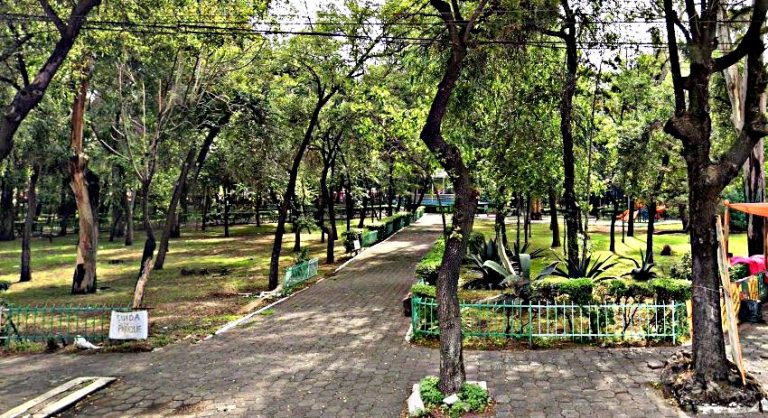
San Juan de Aragón stands out today for its festive atmosphere, its gastronomic wealth, and its proximity to the immense urban forest that bears its name.

Exploring this network of settlements provides the tourist with an authentic and unconventional perspective, demonstrating that the city's history beats strongly far beyond the classic circuits of the Historic Center.

1 - 9 of 9

Axolotl Chat