
Xochimilco
Xochimilco preserves the most important agricultural system of the basin and the lacustrine identity of the ancient Valley of Mexico. The name of the demarcation comes from Nahuatl and means "in the field of flowers," reflecting the vocation of its first inhabitants. The locality functioned as an independent lordship until its integration into the Mexica empire, being officially constituted as a delegation of the then Federal District in 1928. The territory holds the title of World Heritage Site granted by UNESCO, protecting its canals, chinampas, and fourteen original villages.
The historic center of the neighborhood concentrates architectural jewels of the viceregal era. The Parish and Ex-Convent of San Bernardino de Siena, a 16th-century building, dominates the landscape with its wide nave and a main altarpiece. Surrounding streets and small squares maintain a traditional village atmosphere where inhabitants celebrate more patron saint festivals than there are days in the year, agricultural ceremonies, and events of profound syncretism, highlighting the devotion to the Niñopa, a religious image that visits Xochimilcan homes throughout the year.
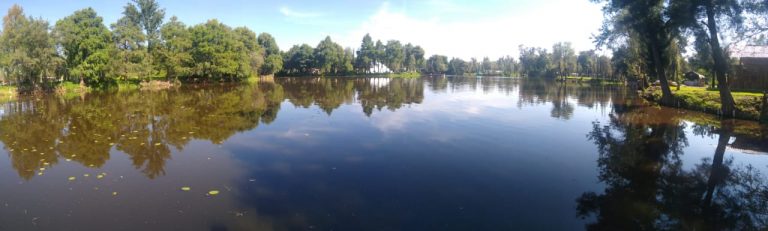
Navigating the extensive network of canals constitutes one of the capital's unmissable tourist experiences. Traditional piers such as Nativitas, Cuemanco, and Fernando Celada offer tours in trajineras adorned with floral arches. The journey allows observing migratory birds, productive chinampas, and greenhouses, accompanied by the music of mariachis and marimbas. Visitors looking for peculiar stories find in the Island of the Dolls a different place, where hundreds of dolls hanging from the trees weave a local legend that attracts curious people from all over the world.
Environmental rescue and family recreation converge in the Xochimilco Ecological Park. This immense natural reserve functions as a vital refuge for endemic flora and fauna, focusing its efforts on the preservation of the axolotl, a representative amphibian of the city. Marketing centers like the Cuemanco Plant and Flower Market display hectares of aisles full of botanical species, where local producers offer direct sale of seasonal cempasúchil, poinsettias, and orchids.
Culinary traditions of the borough offer a menu based on ingredients grown directly in the chinampa. The Xochimilco Market is the nerve center to taste charal tamales, tlapique, and mixiotes. Producers in the region preserve the making of amaranth sweets and handmade ice cream (nieve de garrafa), highlighting seasonal fruit flavors that are sold in the arcades of the center. Touring the area guarantees an authentic tasting that honors peasant work and the food wealth of the capital's south.
1 - 12 de 15 lugares