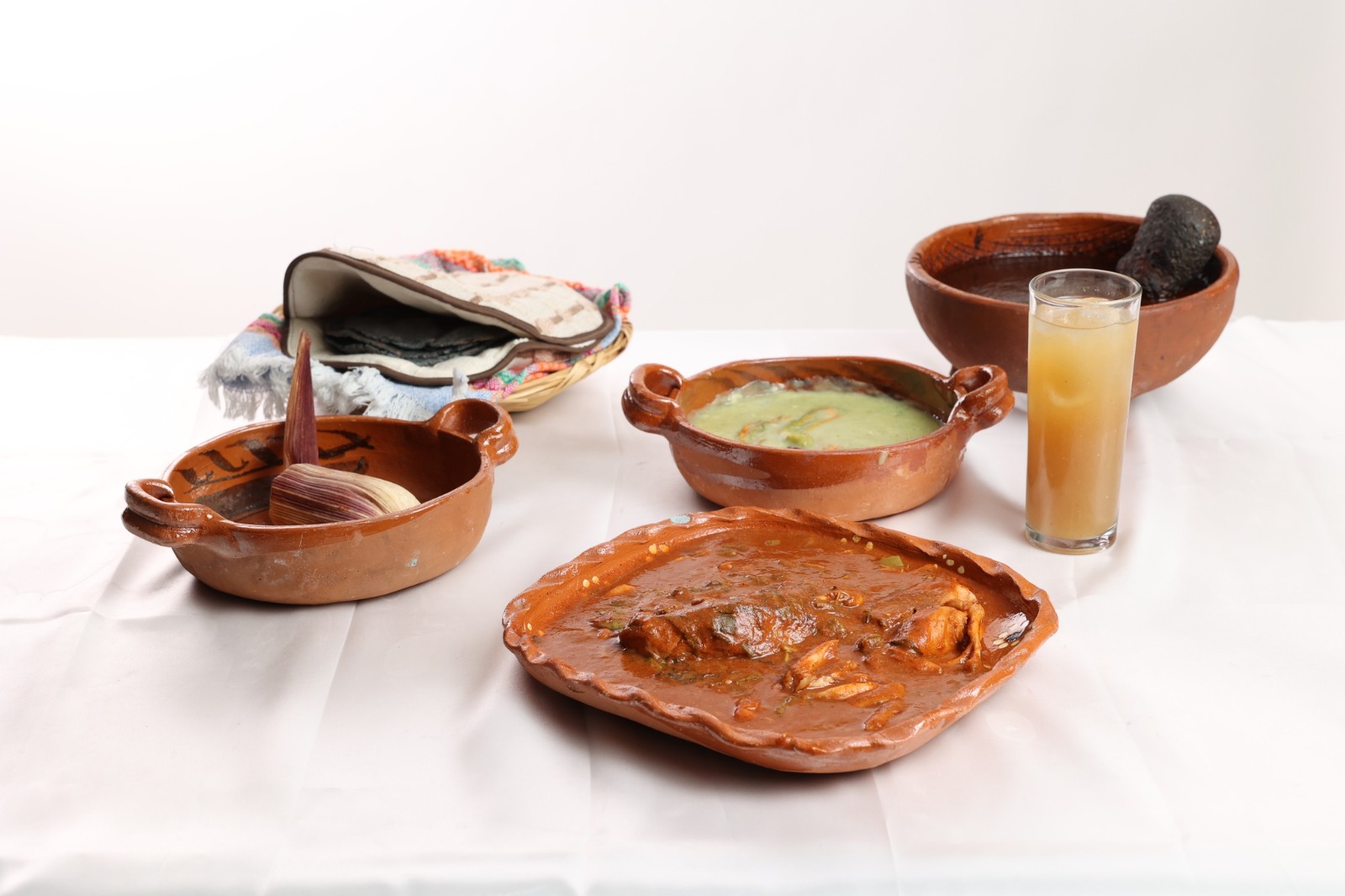
 The inexhaustible fervor of the Villa de Guadalupe also has its own historic gastronomy.
Streets around the Basilica smell of toasted sweet dough; the Gorditas de La Villa, those small discs of slightly sweetened corn, cooked on comales and quickly wrapped in bright colored tissue paper, are the unmistakable dessert and the obligatory sweet reward for the millions of pilgrims and tourists who visit the Virgin of Tepeyac after a long journey.
Parallel to this immense devotion that characterizes it, Gustavo A. Madero guards deeply rooted culinary secrets.
Neighborhoods like Belisario Domínguez, Mártires de Río Blanco, and Gertrudis Sánchez are true sanctuaries where hunger surrenders to its cuisine.
Avenues like Congreso de la Unión boast the birriería and pozolería La Perla Tapatía, standing as a temple dedicated to Jalisco’s seasoning since 1993; ordering its authentic roasted goat birria that melts in the broth, accompanied by handmade tortillas, or savoring its traditional white pozole, is imperative.
Very close by, Caldos de Gallina Arellano are an undisputed authority serving bowls with huge pieces of hen, rice, and chickpeas, accompanied by an order of sopes.
In Gertrudis Sánchez, Las Migas Talismán are served with meaty pork spines, being able to accompany this representative chilango broth with a pork shank that melts like butter.
Corners like Oriente 95 and Congreso de la Unión, a few steps from the Bondojito metro, emanate an unmistakable aroma of boiling lard that will lead you to Los famosos Huesitos de la Río Blanco, well known for its fried pork spine whose juicy, golden meat easily falls off the bone to build dream tacos with its molcajete salsa.
The monumental San Felipe de Jesús Tianguis, recognized as the largest street market in Latin America, is an immense ocean of red tents and, definitely, a gastronomic giant.
Walking its aisles requires making strategic stops at its stalls to devour gigantic rib huaraches, fried pambazos, and ice-cold cups of tepache, turning the asphalt into the best dining room.
Finally, towards the foothills in Cuautepec and the Acueducto de Guadalupe area, the northern periphery keeps its family heritage alive: Sundays transform into authentic festivals of mutton mixiotes, fava bean tlacoyos with cured nopales, and huge clay pots of pork rind, proving that in GAM, eating well is undoubtedly a religion practiced every day.